





















Get to know CoreMedia with a personal introduction from an expert.
What you’ll get
- Explore key features relevant to you
- See how businesses like yours have grown with CoreMedia
- Guidance on changing platforms like a pro

| Features | Traditional CMS | Headless CMS |
|---|---|---|
| Architecture | Monolithic content management systems: content and presentation are tightly bound, limiting flexibility and scalability. | Decoupled: the backend (content) is separate from the frontend (presentation), enabling multi-channel delivery. |
| Flexibility | Locked into predefined templates or web-only frameworks. | Works with any frontend technology for web, apps, and emerging channels. |
| Development | Sequential and slower; frontend updates often require full system redeploys. | Allows parallel workflows: frontend and backend teams can work independently and release faster. |
Curious how a headless CMS really works? Here’s everything you need to know before making the switch.
A headless content management system separates the back end (where content is created, stored, and managed) from the front end (the presentation layer the customer sees). Content is delivered to any channel via headless APIs. There’s no built-in front end, so developers get maximum freedom, while teams rely on APIs to power websites, apps, and devices. CoreMedia gives developers API freedom and marketers visual control in one system.
A hybrid headless CMS delivers content through APIs like a pure headless system, but keeps the visual editing and preview tools that pure headless drops, so content teams aren't dependent on developers for every change. CoreMedia is also content-driven rather than page-driven: the same structured content feeds a website, an app, digital signage, or an AI system without being rebuilt for each.
CoreMedia defines four architecture types: Coupled, Decoupled, Headless and Hybrid Headless.
CoreMedia’s hybrid headless model merges both: it delivers pure headless flexibility with the usability of a traditional CMS, giving you freedom for developers and visibility for marketers.
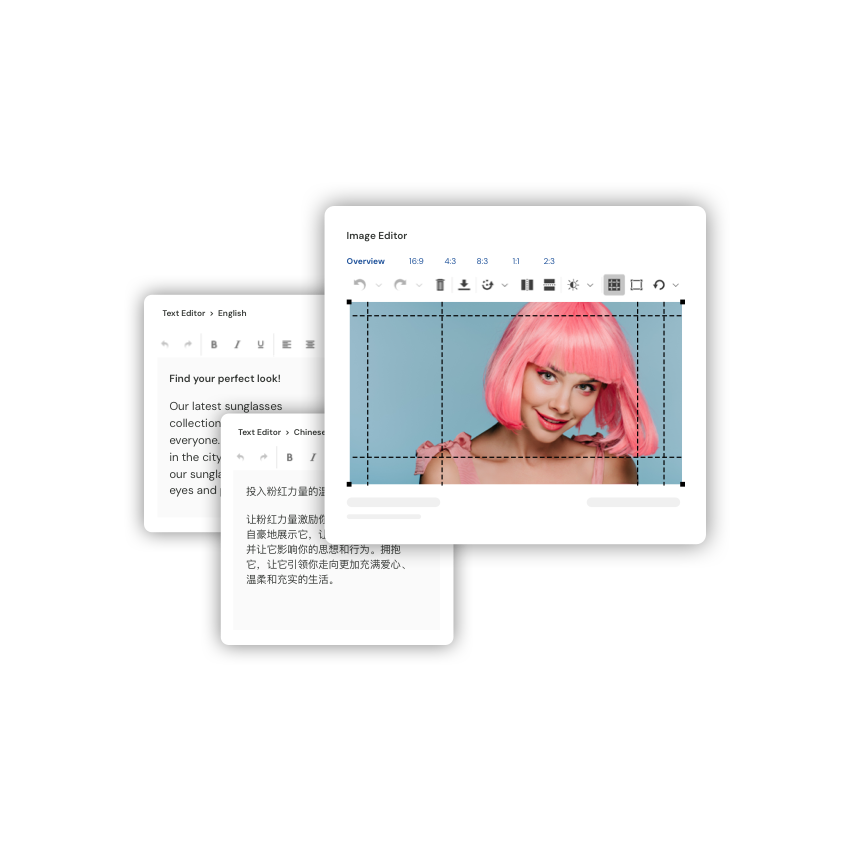
The main benefit is omnichannel delivery. A headless CMS allows you to create content once and publish it across every touchpoint: websites, apps, digital signage and beyond. By separating content from presentation, CoreMedia enables consistency, flexibility and faster time-to-market while ensuring your teams manage all experiences from one platform.
Yes, marketers can, with a hybrid headless CMS. Pure headless systems give marketers API forms and little else, which is why teams end up dependent on developers. CoreMedia adds visual, in-context editing and preview: marketers build, preview, and publish omnichannel content on their own, while developers keep control of structure and delivery. Both teams work in the same platform instead of trading tickets back and forth.
A headless CMS can help both, if it delivers structured content and fast, modern frontends. Decoupling content from delivery lets developers use high-performance frameworks built for speed, and CoreMedia supports server-side rendering and automatic responsive images for strong Core Web Vitals. The content itself is structured and machine-readable, so search engines and AI systems can interpret it, which matters as more discovery shifts from organic search results to AI-generated answers.
CoreMedia is framework-agnostic. Whether your team uses React, Angular, Vue.js, Svelte, Next.js or custom technology, CoreMedia’s REST and GraphQL APIs connect. That means complete creative and technical freedom, without replatforming or vendor lock-in.
CoreMedia offers expert migration support to help you modernize safely and efficiently. Migration typically begins with analyzing your existing content structure, creating a new content model for headless delivery, and setting up API integrations. From there, your teams can migrate content in phases, test new workflows, and scale confidently with ongoing guidance and training from CoreMedia’s specialists.
Yes. CoreMedia’s composable architecture and open APIs are designed to integrate with your existing tech stack, from personalization and ecommerce platforms to marketing automation, PIM and DAM solutions. Whether you’re using Salesforce, SAP, Adobe or homegrown systems, CoreMedia connects everything into one unified content hub. This ensures you get the full power of your existing investments while modernizing at your own pace.
What you’ll get

Content Management
Create highly engaging content for all channels, regions and languages - turbocharged by AI.
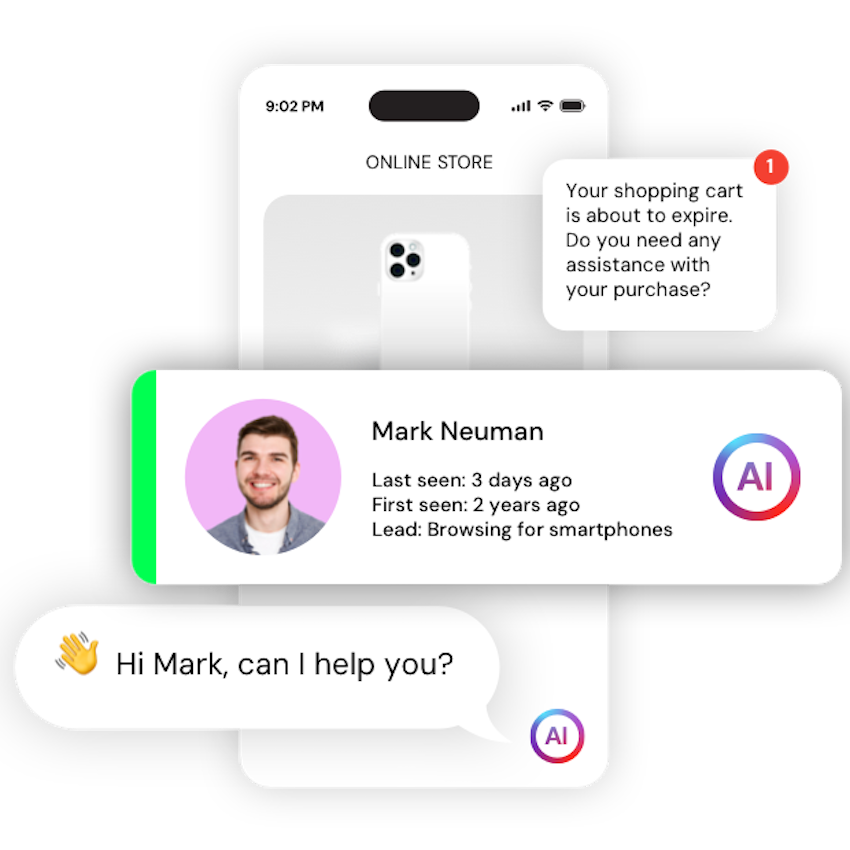
Personalization & Experimentation
Deliver personalized experiences that adapt to each user – powered by data, insights and ongoing optimization.
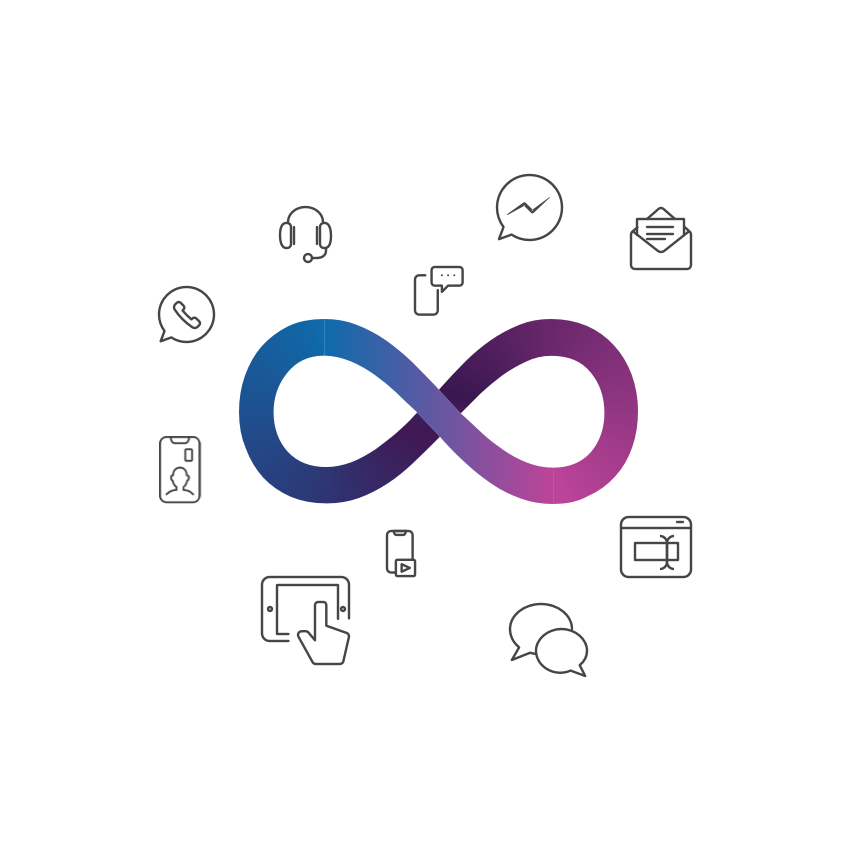
Marketing Automation
Automate and orchestrate campaigns across every channel – turning data into timely, relevant messages.
Customer Engagement
Turn visitors into loyal customers with conversational, human-centered experiences.