




















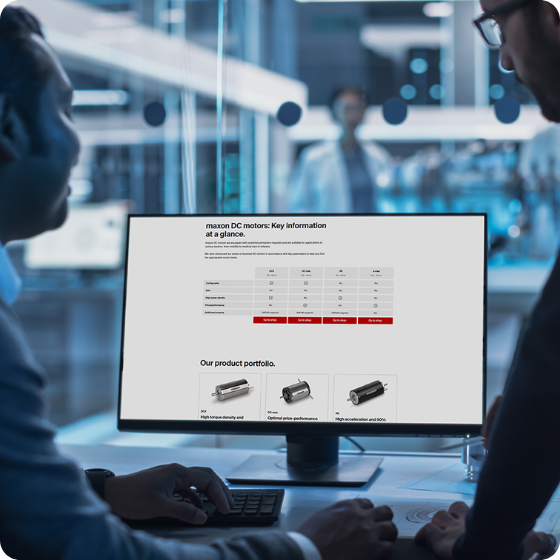
Get to know CoreMedia with a personal introduction from an expert.
What you’ll get
- Explore key features relevant to you
- See how businesses like yours have grown with CoreMedia
- Guidance on changing platforms like a pro


Why CoreMedia for B2B manufacturing
B2B buyers now start online, comparing specs and shortlisting products before they ever contact sales, and they expect the same clarity and self-service they get as consumers. The CoreMedia Digital Experience Platform delivers that across every market and brand, with built-in governance: role-based permissions from global to local and one governed source of truth, so operating at scale never costs you consistency or control.
Push urgent content live across channels in seconds: product launches, price and availability changes, safety notices, or recalls, without bypassing approval workflows. Compliance stays in the loop even when speed is the priority.
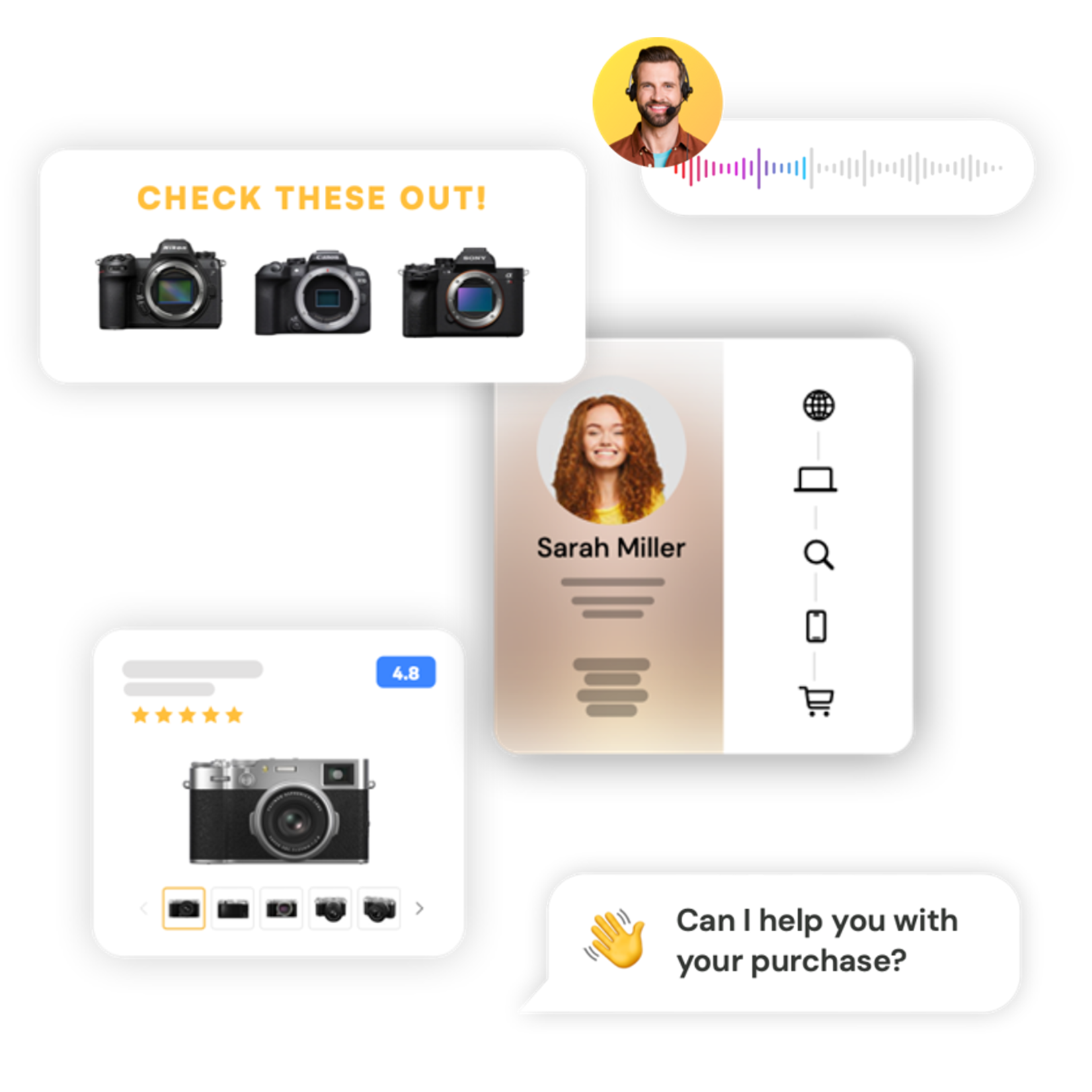
Long, high-value, technical deals often stall on a single unanswered question. CoreMedia Customer Engagement platform offers live chat, click-to-call, or a video call giving buyers a direct line to a specialist when a decision calls for expert input. With the full digital journey already in hand, the conversation begins with context rather than from scratch.
When competing products look similar on a datasheet, content and experience carry the difference. CoreMedia's CMS gives you application guides, editorial storytelling, and tag-driven discovery, while personalization and experimentation tailors what each visitor sees, turning a catalog into a reason to choose you.
Manufacturers protect intellectual property, handle customer and lead data through forms and portals, and increasingly fall under NIS2 as critical infrastructure. CoreMedia is GDPR-ready and ISO/IEC 27001:2022 certified, EU-hosted, and you can host it as single-tenant managed cloud, private cloud, or on-premise. You control where product and customer data lives, which is what regulators and EU buyers now expect.
Manufacturers often run a different CMS per region, brand, or acquisition, which multiplies licensing, maintenance, and security overhead. Consolidating onto the CoreMedia Experience Platform retires that duplication, so you maintain one system instead of many, without taking flexibility away from local teams. CLAAS, KSB, and Emerson have all made this move, consolidating multiple sites onto a single enterprise CMS.
Ask CoreMedia KIO, in plain language, to draft and tag a new datasheet, generate metadata, optimize content for SEO, adapt the tone for an engineer versus a procurement buyer, and prepare it for translation into every market you sell in, all inside the CMS and inside the same approval workflow. When a new certification or safety update needs to go out fast, CoreMedia KIO can update all assets across hundreds of existing pages at once, still editor-approved before anything publishes. It also tags and labels product renders and technical images in your asset library, finds duplicates, and lets your team search everything conversationally instead of digging through folders. It stays brand-safe and editor-controlled, works with the LLM you choose, and can run in your private cloud or on-premise, which matters when product IP is involved.

Yes on all three. CoreMedia can be hosted in an EU region, so product and customer data stays in Europe. It is GDPR-ready and ISO/IEC 27001:2022 certified, with role-based access and audit logs. And for manufacturers now in scope of NIS2, it provides the EU hosting, governance, and resilience you build compliance on, though your compliance team owns NIS2 itself. You choose the deployment model too: managed cloud, private cloud, or on-premise.
The best CMS for a manufacturer handles a large, technical product catalog in every language you sell in, connects to your PIM, CRM, and commerce systems, and lets non-technical teams publish across web, portals, and apps without waiting on IT. For enterprise manufacturers that usually points to a hybrid headless CMS or a full DXP rather than a page-based website builder. CoreMedia is a composable DXP built on a hybrid headless CMS. Judge any option on three things: how well it models your product data, how cleanly it integrates with your systems of record, and how it handles multi-market localization and governance.
You manage it as structured, reusable content objects rather than fixed pages, with built-in translation and localization workflows. That lets you reuse one datasheet or manual across markets and channels instead of duplicating it, and keep every language in sync when specs change. On CoreMedia, CLAAS publishes across 160 countries with automatic translation, and maxon built 4,000 pages in 11 languages.
Yes. The Commerce Hub and 100+ integrations connect CoreMedia to your systems of record, including commerce platforms like SAP and commercetools, CRM and ERP systems like Salesforce, so product data, pricing, and availability stay consistent between your systems of record and the experiences customers see.
Headless separates content from presentation, so the same product content can feed a website, an app, a partner portal, digital signage, and AI systems from one source, which suits manufacturers with many channels. Traditional CMSs are quicker for marketers to edit but harder to reuse across channels. A hybrid headless CMS gives you both: API-first delivery for developers and a full editing and preview interface for content teams. CoreMedia is hybrid headless, so you are not forced to choose.
The Digital Product Passport is being introduced in phases under the EU Ecodesign for Sustainable Products Regulation, starting with categories such as batteries. CoreMedia's role is structural: a single source of governed, structured, machine-readable product content that can feed passport requirements alongside your web and channel content. Your product and compliance teams own what each passport must contain; CoreMedia provides the content foundation.
AI assistants scan and shortlist products before a buyer ever visits your site. CoreMedia manages content as structured, typed objects with governed metadata, which is what these systems can read and trust. The same repository serves human-facing pages and machine-readable output, so you are not maintaining two versions of the truth.
It depends on how many sites, markets, and integrations are involved, and how much content you migrate versus rebuild. Most manufacturers phase it: a focused first site or product catalog can go live in a few months, then you roll out market by market, so each step stays low-risk and teams validate before the next market goes live. AI now speeds up the heaviest part, the content migration itself, with CoreMedia KIO drafting, tagging, and adapting migrated content while editors approve before anything publishes. KSB started with a digital product catalog as a pilot before its wider relaunch.
Manufacturers and industrial companies on CoreMedia include CLAAS (agricultural machinery), Emerson (technology and engineering), maxon (precision drive systems), KSB (pumps and valves), Buderus, Phoenix Contact, and InSinkErator, along with B2B distributors such as Parts Town and Sonepar.
One that treats products as structured data, not pages. For a large catalog you want a CMS that models products as typed, reusable objects, connects to your PIM so specs and pricing stay in sync, and delivers the catalog to web, portals, and apps from one source with fast search and filtering. A page-based website builder struggles at that scale. CoreMedia is a composable, hybrid headless CMS built for exactly this: structured product content, PIM and commerce integration, and catalogs that stay findable across markets and languages. Emerson runs more than 500,000 products across 36 locales on it, and KSB rebuilt its catalog specifically to improve product discovery.
Are you just starting out or already leading the way? Take our quiz to pinpoint your company’s digital maturity and gain actionable insights to drive growth, stay ahead of the competition and deliver exceptional experiences.
What you’ll get

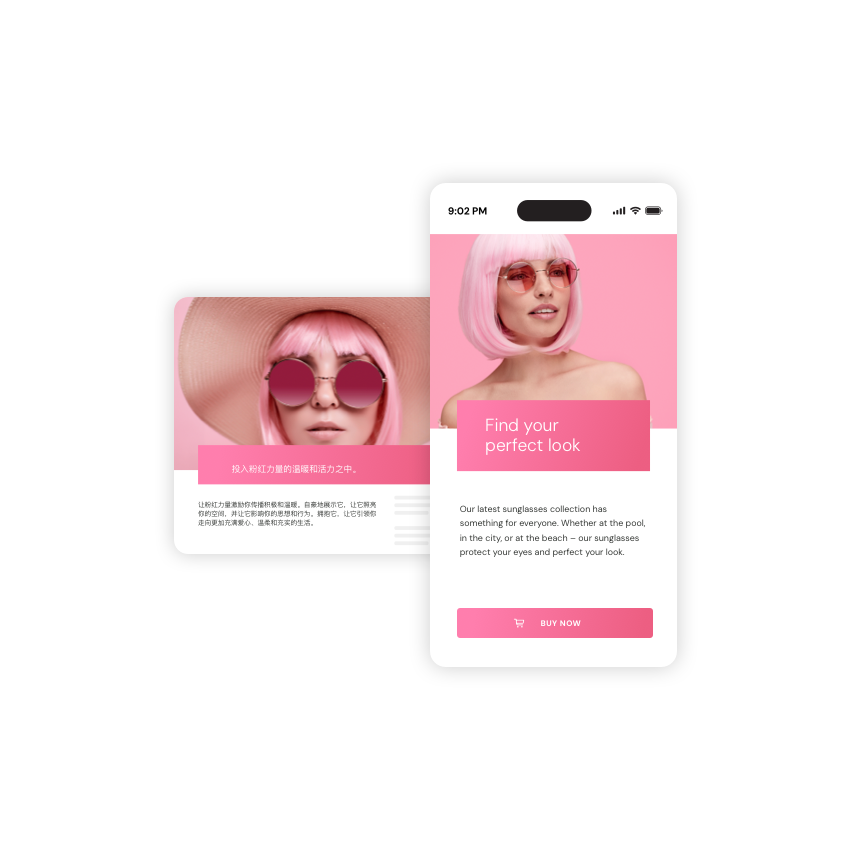
Content Management
Create highly engaging content for all channels, regions and languages - turbocharged by AI.
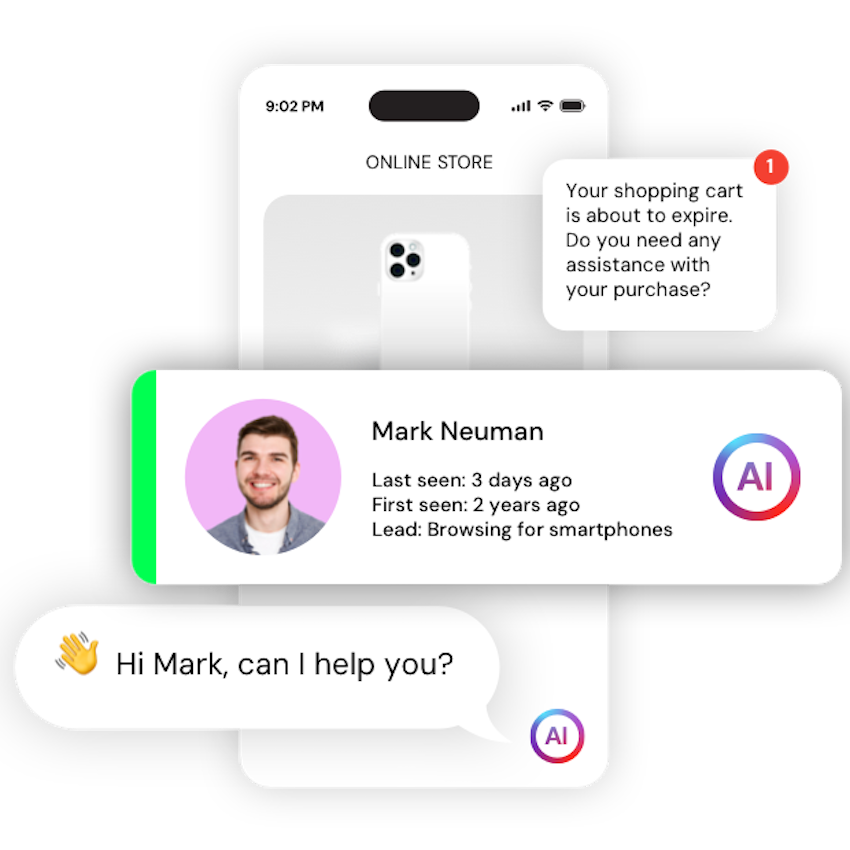
Personalization & Experimentation
Deliver personalized experiences that adapt to each user – powered by data, insights and ongoing optimization.

Marketing Automation
Automate and orchestrate campaigns across every channel – turning data into timely, relevant messages.
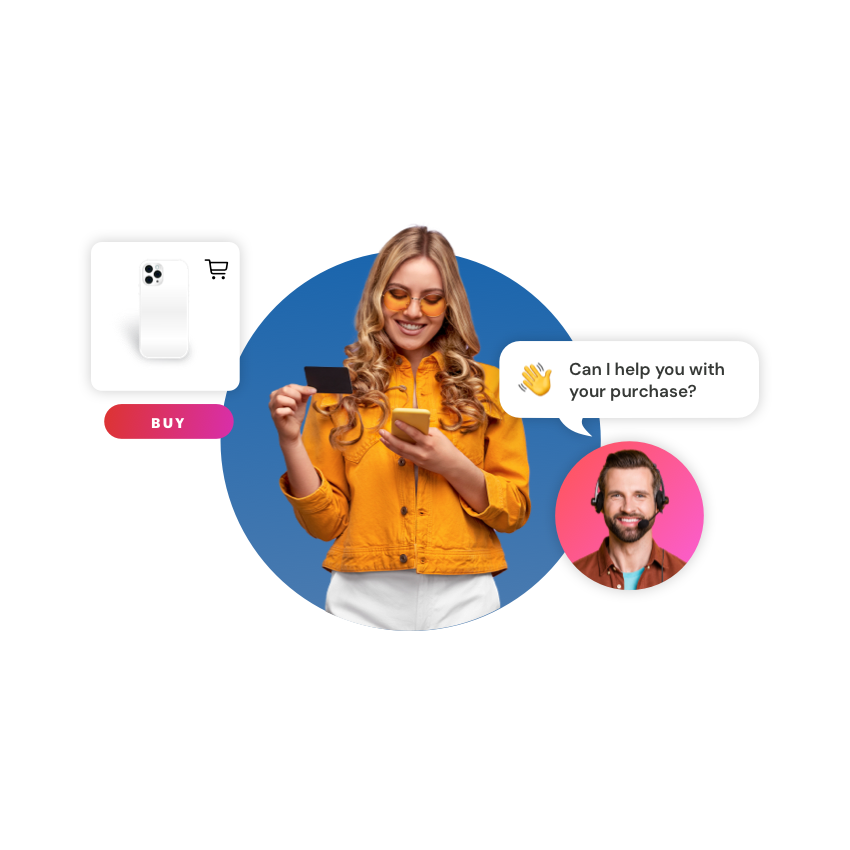
Customer Engagement
Turn visitors into loyal customers with conversational, human-centered experiences.