






















Traditional systems treat content as fixed pages. But modern digital experiences don’t live on a single page. They exist across multiple platforms and digital content touchpoints. To keep up, enterprises must rethink how content is created and delivered.
This shift, from page-based content to modular, reusable components, is becoming central to modern content strategies. (We explore this transition in more detail in our guide to modular content.)
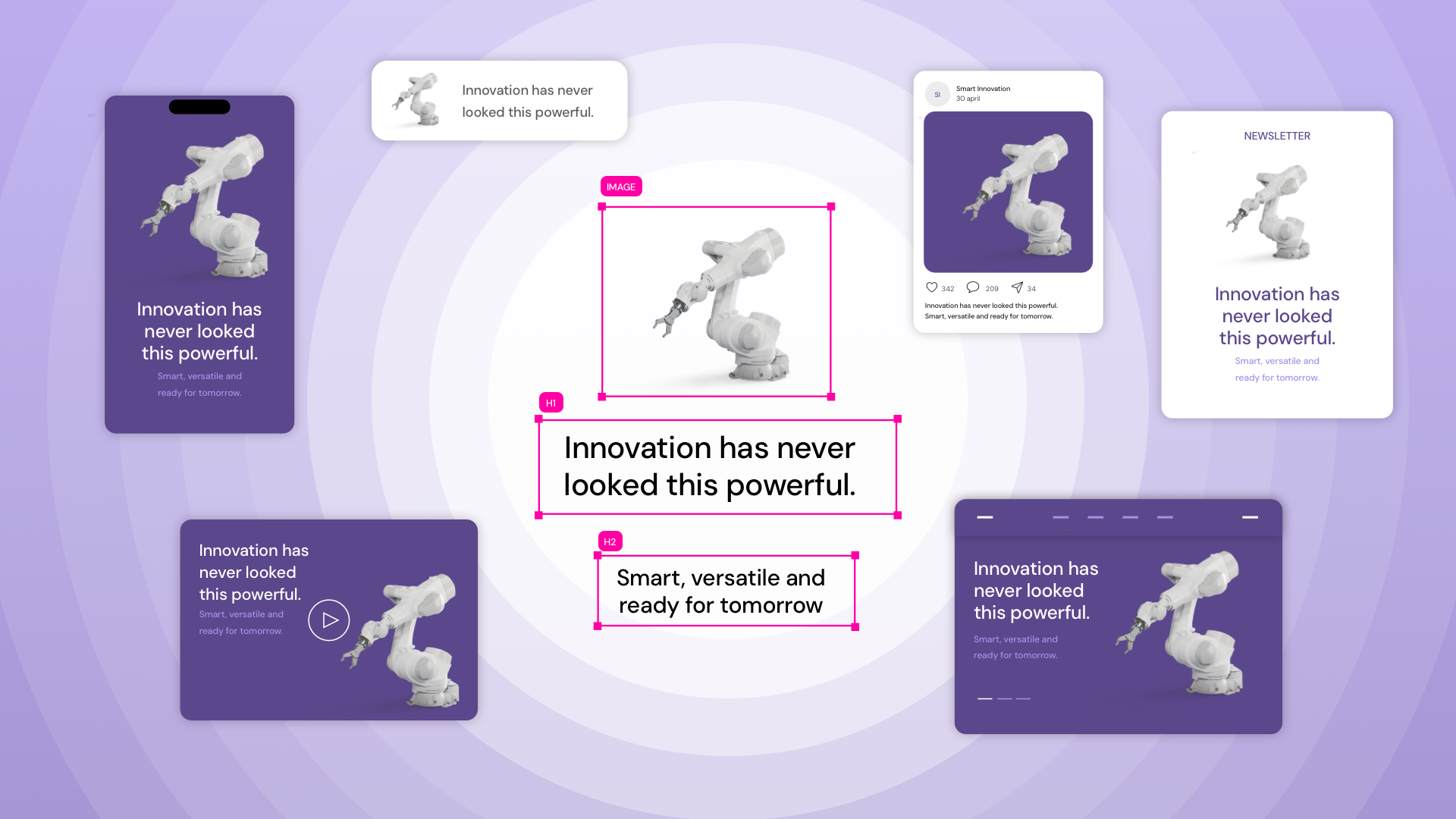
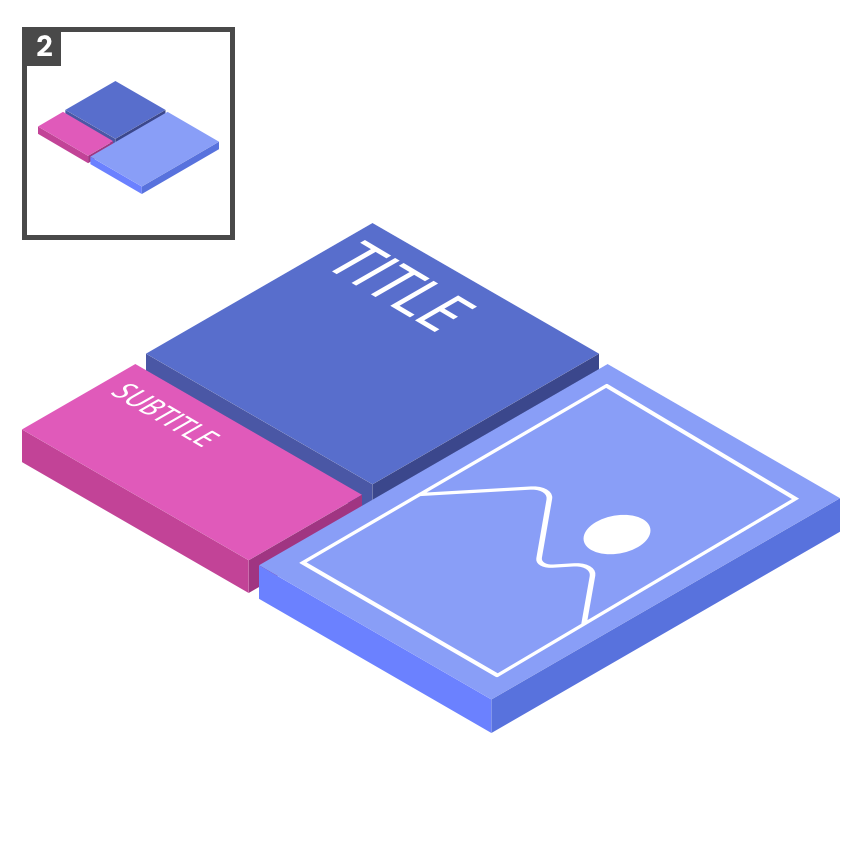
Instead of managing static layouts, leading brands use structured content built on modular building blocks, like headlines, images, and product data, that can be reused and adapted instantly.
The content architecture defines how content is organized, connected, and reused across the business. It enables teams to create once and publish content everywhere without duplication, as the foundation of content reuse and omnichannel scale.
More importantly, this approach allows enterprises to combine storytelling with commerce. The same content can power online experiences, support mobile apps, and even guide human interactions in sales or service environments.
In this model, content becomes a strategic asset — flexible, scalable, and built for growth.
Understanding the concept: What defines a structured content model?
At its core, a structured content model treats content as data, not as a static document.
From unstructured content to structured data
- Traditional unstructured content is stored as large blocks of text designed for specific web pages. It’s hard to reuse, difficult to scale, and inefficient across multiple channels.
- In contrast, structured content refers to breaking content into defined fields within a structure. These fields form reusable content types - such as articles, landing pages, or product entries - each with clearly defined attributes.
Content vs. presentation
A key principle of structured content is separating content from the presentation layer.
The content model defines the structure (what the content is). The presentation layer defines how it appears on web pages, apps, or other interfaces.
This separation allows teams to manage content centrally while delivering consistent and personalized content across channels. The same content can be reused without redesigning or duplicating it.
The machine-readable advantage
When content follows a predefined format, it becomes usable by APIs.
This is where a structured approach becomes critical.
APIs route and deliver content automatically to the right destination, whether it’s a website, mobile apps, or customer-facing tools.
This is how structured content enables scalable content delivery.
A well-designed content model also sets you up for structured data outputs — the schema markup that helps search engines better understand and rank your content. This increases search visibility and ensures more relevant experiences for your audience.
Why it matters
The key benefits of structured content are immediate and measurable:
- Faster content operations and reduced duplication.
- Stronger content consistency across digital platforms.
- Better personalization and tailored content.
- Efficient content reuse across multiple pages.
Ultimately, a structured content framework provides the foundation for modern enterprise content strategy, enabling agility, speed, and growth across every channel.
The core components of structured content
To understand how structured content models work in practice, it helps to break them down into their core components. Structured content is built from modular, reusable parts - each designed to scale across systems, teams, and channels.
Modular building blocks:
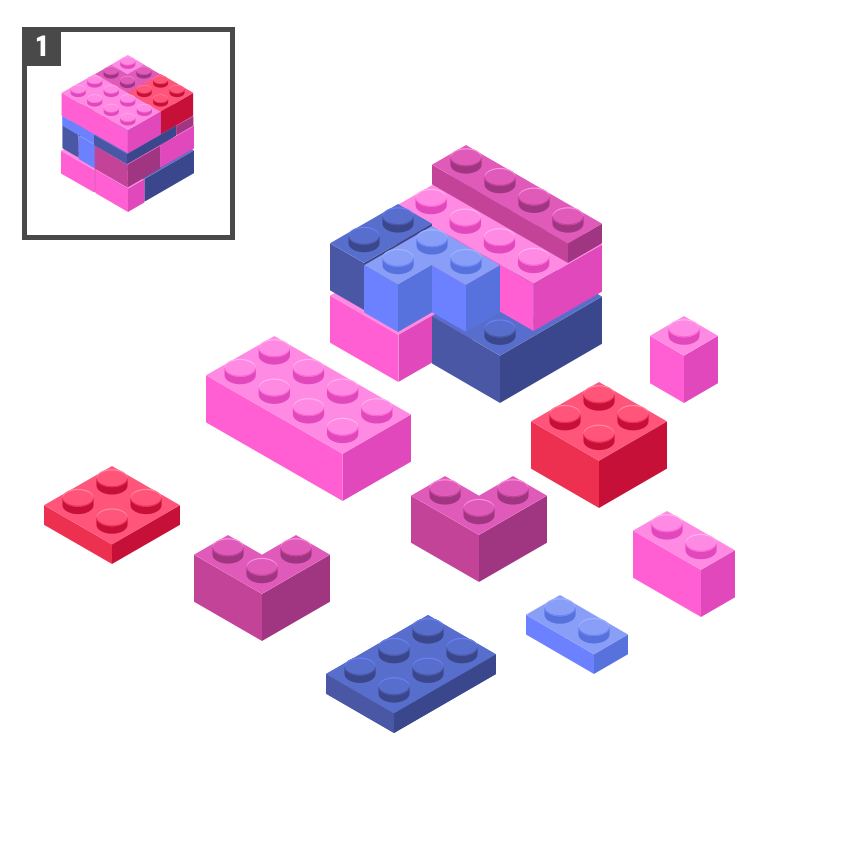
- Think of content like LEGO bricks - small, reusable building blocks that together create a flexible structure.
- Each component (headline, image, product data, description) can be reused and recombined.
- Enables efficient structuring content across digital experiences.
- Foundation for true content reuse.
Content types:
- The model defines distinct content types (e.g., product, blog post, author).
- Each type outlines required fields and relationships, ensuring all content elements are clearly defined and reusable.
- Ensures consistent content structure across multiple environments.
- Makes it easier to manage content at scale.
Fields & metadata:
- Fields store specific data (title, image, description) in a predefined format.
- Makes content structured, accessible, and ready for automated use.
- Metadata (tags, categories) improves organization and discoverability.
- Critical for search engines, personalization, and AI.
- This is how structured content enables smarter, more scalable content experiences.
In enterprise environments, platforms like CoreMedia operationalize a structured content approach, securing content is centrally managed within a central repository, governed with access controls, and optimized for content automation across multiple platforms.
Why global enterprises need a structured approach
The COPE methodology - "Create Once, Publish Everywhere"
With a structured content system, teams create structured content once and reuse it across various platforms and different channels. A single update automatically reflects across web pages, mobile apps, and online experiences - eliminating duplication and helping teams maintain consistency at scale.
Unlike traditional headless approaches that prioritize developer flexibility, enterprise teams also need to operationalize structured content across marketing workflows without sacrificing usability or speed.
Marketing efficiency:
- Reduces redundant content processes and manual rework.
- Frees marketing teams from copy-pasting across systems.
- Improves collaboration between content managers, developers, and regional teams.
- Enables faster, more efficient content operations.
Personalization at Scale:
With structured content, personalization is built into the system - not added on later. Each piece of content is enriched with metadata (such as audience, region, or intent), allowing systems to match it to specific segments. This makes it possible to automatically deliver personalized content based on user preferences, behavior, or context - across various touchpoints - without creating separate versions for each audience. The result is more relevant content that improves engagement and boosts conversion rates.
Sustainability and ROI:
- Maximizes content reuse, reducing production costs and effort.
- Eliminates duplication across regions, teams, and multiple channels.
- Supports scalable e-commerce growth with consistent, high-quality content.
- Accelerates time-to-market for campaigns and global rollouts.
By leveraging structured content models with CoreMedia’s Content Management System, enterprises turn content into a measurable business asset, reducing operational overhead and achieving up to 75% faster time to web, as demonstrated by CoreMedia customers.
Structured models vs. traditional CMS: The hybrid headless solution
The Traditional CMS Trap:
Traditional content management systems are built around pages, not content. Content is tightly tied to a specific website page and visual format. Every update, variation, or reuse requires manual effort.
As soon as organizations expand beyond the website - into mobile apps or other digital channels - this model breaks down. Content must be recreated or heavily reworked to fit each new platform.
The result is slower execution, inconsistent experiences, and growing technical debt.
The Pure Headless Problem:
Headless platforms were designed to solve this. By separating content from presentation, they allow teams to deliver structured content via APIs to any channel. This gives developers the flexibility to build across platforms using a consistent content structure.
But this flexibility comes at a cost.
In many pure headless environments, marketers lose the ability to visualize and control the final experience. Without a clear preview or intuitive interface, even simple updates can require developer support. This slows down content operations and creates friction between teams.
The system is technically powerful but operationally limiting.
The CoreMedia advantage - Hybrid headless:
CoreMedia combines the flexibility of API-first structured content models with the usability of a modern CMS. Developers can define and manage a robust content framework, ensuring content is machine readable and ready for integration with external tools and services.
At the same time, marketers retain full control through a visual, WYSIWYG editing experience. They can preview, edit, and assemble content in context without relying on developers for every change.
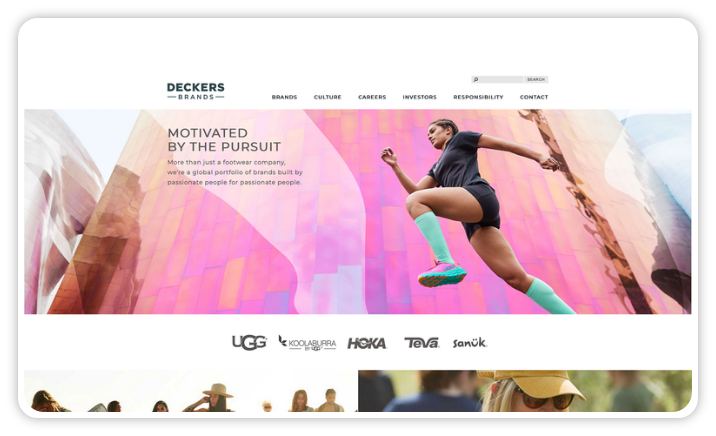
This approach is proven at enterprise scale. Deckers, for example, manages five global brands and 12 websites on CoreMedia, enabling teams to manage content centrally while maintaining flexibility for local markets. With built-in governance and localization, teams can reuse content efficiently, maintain consistency across regions, and launch content-rich, commerce-driven experiences faster.
By connecting structured content directly with e commerce systems, CoreMedia allows brands to combine real-time product data with rich storytelling, creating seamless, high-converting digital experiences across multiple touchpoints.
Strategic benefits for omnichannel and SEO
Future-Proofing Channels:
With structured content, enterprises are no longer tied to a single format. Content can be delivered across any channel - from apps to emerging interfaces - without rebuilding or reformatting.
SEO and AEO (answer engine optimization):
Search engines like Google rely on structured data and schema markup to understand and rank content. This improves visibility through rich results and featured snippets. This is how structured data powers AI-driven discovery, improving content discovery by feeding knowledge graphs and enabling platforms like ChatGPT to surface accurate answers.
Enhanced user experience:
A unified content structure ensures that every user sees accurate, up-to-date information across touchpoints. This consistency reduces friction and supports more effective, conversion-driven journeys.
AI integration:
AI tools depend on well-organized, API-ready content. With structured content models and having a single source of truth for all content, enterprises can automate tasks like tagging, translation, and content generation. AI solutions like CoreMedia KIO build on this foundation help teams scale content automation while maintaining quality, brand consistency, and control.
Beyond delivery: Connecting structured content to commerce & customer support
Inspirational commerce:
CoreMedia's Content Management System connects structured content directly to product data, enabling teams to create content-rich, shoppable experiences without duplication.
Marketing teams can combine editorial content with real-time product information from systems like Salesforce Commerce Cloud or SAP - turning campaigns, lookbooks, and brand stories into dynamic e-commerce experiences. This transforms static content into instantly shoppable moments.
Empowering the contact center:
With CoreMedia's Customer Engagement Platform, the same content used across digital channels can be reused in customer interactions.
Because content is centrally managed, it can be surfaced in live chat, voice, or video shopping which enables more informed conversations, faster responses, and higher conversion rates. This is especially critical in B2B, luxury, and high-value shopping experiences scenarios where guided selling drives revenue.
The CoreMedia advantage:
CoreMedia uniquely connects content, commerce, and omnichannel engagement through a unified platform approach. With CoreMedia's Digital Experience Platform (DXP), enterprises can orchestrate structured content across both digital and human touchpoints.
This means content is not only reusable and scalable, but also actionable and able to power shoppable experiences, supporting real-time customer interactions, and enabling intelligent content automation.
How to build and implement your first content model
Audit existing content
Start by analyzing your current unstructured content and identifying high-value assets such as product information, campaigns, or key landing pages. This creates a clear content inventory and highlights opportunities for content reuse.
Define taxonomies and relationships
Map how different content types connect. For example, linking a designer profile to a product line or campaign ensures that content is organized, reusable, and easier to scale across multiple channels.
Start small and scale
Avoid modeling everything at once. Begin with a specific use case such as a campaign or digital commerce site section, test how structured content flows across channels, and expand from there.
Align stakeholders
Successful structured content management requires collaboration. Developers define the architecture and APIs, while marketers and content managers ensure content is relevant, consistent, and aligned with business goals.
Scale your omnichannel strategy with CoreMedia
Structured content is the foundation of modern digital experiences.
CoreMedia enables enterprises to operationalize structured content at scale, accelerating content operations, simplifying workflows, and delivering consistent experiences across various channels.
From e-commerce performance to customer engagement, the impact is measurable.
Request a demo to see it in action.
Discover how CoreMedia can help you achieve up to 75% faster time to web and turn your digital experiences into conversion engines within weeks.