





















header-mobile-bg

Bloomreach vs. CoreMedia: Which enterprise DXP is right for you?

Two platforms – different approaches to managing modern digital experiences.

Bloomreach and CoreMedia both operate within the digital experience ecosystem, but they approach the problem of delivering modern customer experiences from different starting points. Bloomreach focuses primarily on AI-driven commerce optimization, combining product discovery, personalization, and marketing automation to help retailers improve product search and conversion. CoreMedia, by contrast, is positioned as a composable enterprise Digital Experience Platform (DXP) built around hybrid headless content management, enabling organizations to orchestrate complex experiences across regions, brands, and channels. 

CoreMedia is a strong alternative to Bloomreach for enterprises that require advanced content orchestration, hybrid headless flexibility, and AI-assisted engagement capabilities: 

  • Enterprise content orchestration at global scale
    CoreMedia is designed to manage complex, multi-brand and multi-region digital ecosystems. Its centralized content management capabilities enable organizations to efficiently govern multilingual content, coordinate global campaigns, and maintain brand consistency across websites, mobile apps, and other digital channels.
  • Hybrid headless architecture for composable enterprise platforms
    CoreMedia combines API-first content delivery with visual content management and editorial workflows. This hybrid headless approach allows development teams to build flexible composable architectures while enabling marketing teams to create, preview, and manage experiences without heavy developer involvement.
  • AI-driven engagement across digital and human touchpoints
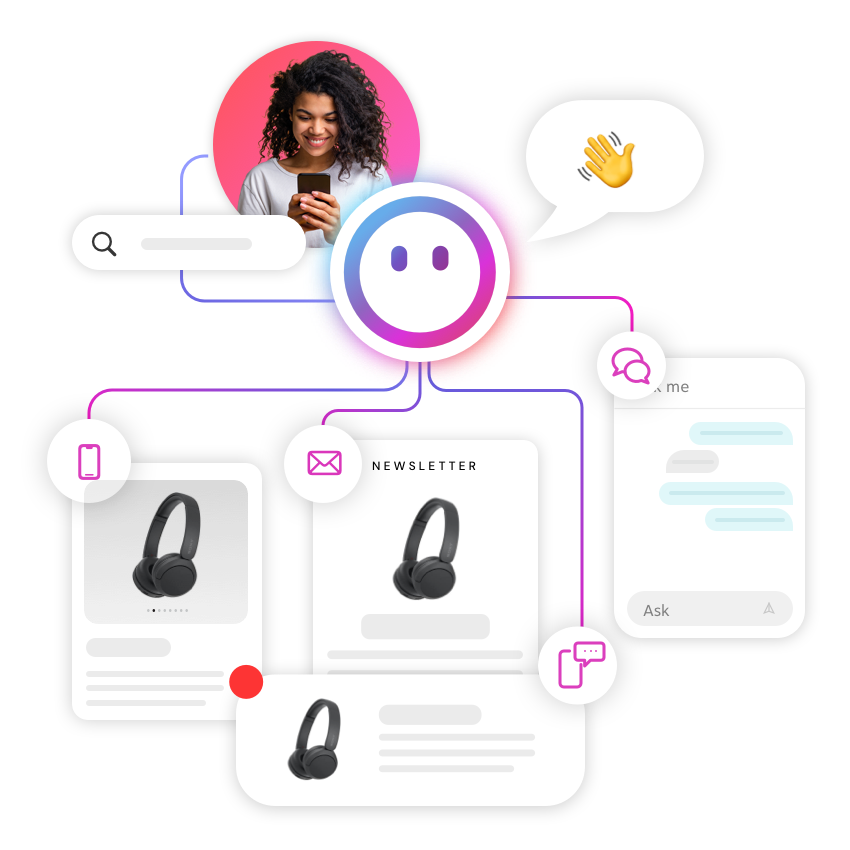
    CoreMedia’s experience platform, powered by CoreMedia KIO, extends beyond traditional CMS capabilities. It enables AI-assisted content creation, workflow optimization, and personalized experiences while supporting human-assisted interactions such as live chat, video shopping, and service integrations for high-value customer journeys.
AI Discovery and Orchestration (1)

CoreMedia strengths in enterprise environments

Editorial control built for large teams

Structured editorial workflows, role-based access control, and localization capabilities designed for global organizations managing complex content operations.

Hybrid headless architecture for modern teams

Combine API-first delivery with visual content management, enabling developers to build flexible composable platforms while allowing marketers to maintain control over content creation and updates.

AI-assisted content and engagement workflows

CoreMedia KIO supports AI-assisted content creation, workflow automation, and data-driven experience optimization, helping teams deliver more personalized experiences while reducing operational effort.

Customer engagement beyond digital touchpoints

CoreMedia’s Engagement Platform connects digital journeys with human-assisted interactions such as live chat, video shopping, and service integrations, helping brands combine storytelling with transactional experiences across digital channels.

Multi-brand and multi-region experience management

Support global digital ecosystems with structured content reuse, localization workflows, and coordinated publishing across brands, markets, and channels.

Architecture designed for long-term scalability

Built to support high-traffic platforms, large volumes of structured content, and globally distributed digital experiences across multiple brands, regions, and channels.

Benefits of switching from Bloomreach to CoreMedia

Enterprises running large digital platforms often rely on multiple systems to manage content, marketing, personalization, and customer engagement. While Bloomreach provides strong capabilities in commerce discovery and marketing automation – particularly for retailers focused on optimizing product search, merchandising, and digital conversion – organizations may still need additional platforms to manage global content operations and cross-channel experiences.

CoreMedia helps reduce this operational complexity by acting as a central experience layer that connects content, commerce, and customer engagement across the digital ecosystem. By orchestrating experiences across websites, mobile apps, and service channels from a unified platform, enterprises can streamline workflows, reduce integration overhead, and improve operational efficiency.

Managing content across regions, brands, and teams requires structured governance and clear editorial processes. As digital operations scale, organizations often face challenges maintaining consistent messaging while allowing regional teams to adapt content locally.

CoreMedia addresses this challenge through structured editorial workflows, role-based permissions, and localization management, enabling global organizations to coordinate campaigns and maintain brand governance across distributed teams. This approach allows enterprises to scale content operations while preserving both consistency and flexibility across markets.

Many digital experience platforms focus primarily on automating online interactions. However, in industries such as B2B, luxury retail, financial services, and telecommunications, high-value transactions often involve a combination of digital and human engagement.

CoreMedia supports these hybrid journeys through its cloud contact center, enabling organizations to connect digital touchpoints with human-assisted interactions such as live chat, video consultations, and click-to-call. Combined with CoreMedia KIO AI, which supports agents with AI-driven response suggestions, enterprises can deliver faster personalized with a human touch.

Enterprise digital platforms must support long-term scalability and evolving technology ecosystems. Organizations increasingly seek platforms that can adapt to new channels, integrations, and customer expectations without requiring disruptive replatforming. 

CoreMedia’s distributed architecture and composable approach provide a stable foundation for long-term digital growth. Enterprises can integrate new technologies, expand digital channels, and evolve their experience strategies while maintaining a consistent experience management foundation.

A fast, low risk CMS migration to CoreMedia – under 90 days

Migrating from an existing CMS should not disrupt business operations or slow down ongoing digital initiatives. For enterprises moving away from Bloomreach or other platforms, the priority is ensuring continuity while transitioning to a more scalable foundation. 

CoreMedia follows a structured migration approach designed to minimize risk and maintain momentum. Rather than requiring a full rebuild, organizations can transition incrementally — moving critical content, workflows, and integrations in phases while keeping existing systems running where needed. 

This makes migration from Bloomreach a controlled process rather than a disruptive event. Teams can maintain day-to-day operations while gradually shifting to a more structured and scalable content foundation, without interrupting existing digital experiences. 

By approaching migration with clear governance and phased execution, organizations avoid unnecessary duplication and reduce the risk of delays. Instead of recreating content from scratch, they can restructure and optimize what already exists as part of the transition. 

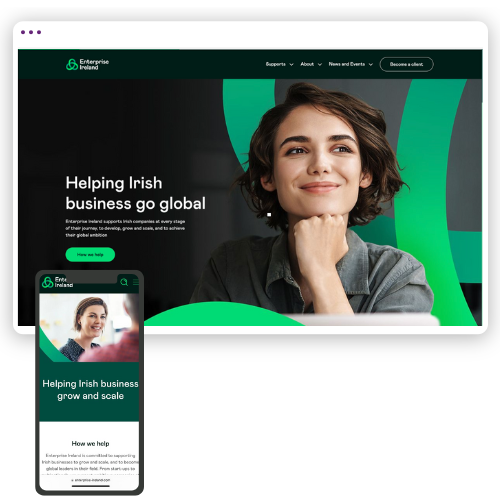
With the right planning, enterprises can move quickly without compromising stability. Organizations such as Enterprise Ireland have completed their transition in as little as 90 days - demonstrating that large-scale CMS migration can deliver rapid value when approached strategically.
Migrate to know more
Enterprise Ireland website

Our clients say:

“With the development of a robust customer-centric website, we are taking the next significant step toward becoming a digital leader. Thanks to its sophisticated platform and progressive interface, working with CoreMedia is a dream.”

Erik Ober, Product owner of the DAK-Gesundheit website

“We picked CoreMedia after researching multiple content management systems for a couple of years. The learning curve for the non-technical user was really easy.”

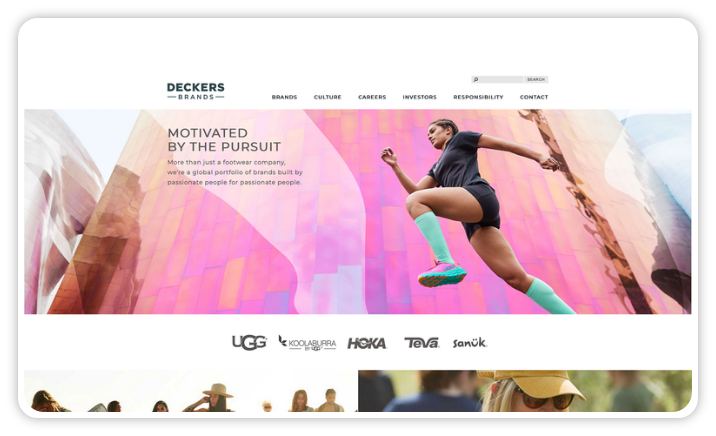
Nick Smotek, Global Director Digital Technology and UX, Deckers Brand

“Adding CoreMedia to our operation gave us a very robust call management and lead activation and lead activation solution in a very short timeframe – without any big upfront investment.”

Francisco Trujillo, Head of online sales, MásMóvil

FAQ’s - everything you need to know

What is the main difference between Bloomreach and CoreMedia?

Bloomreach primarily focuses on AI-driven commerce optimization, including product discovery, merchandising, and marketing automation for digital retail experiences. CoreMedia, by contrast, is a composable enterprise Digital Experience Platform built around hybrid headless content management. It emphasizes global content orchestration, enterprise governance, and the ability to connect digital experiences with human-assisted customer engagement.

Is CoreMedia a strong alternative to Bloomreach for enterprise organizations?

Yes. CoreMedia is a strong alternative for large enterprises that require advanced content governance, global content management, and flexible hybrid headless architecture. While Bloomreach is often selected for commerce-focused use cases, CoreMedia is designed for organizations managing complex digital ecosystems across multiple brands, regions, and channels.

Which platform is better for global content management: Bloomreach or CoreMedia?

CoreMedia is typically better suited for global content management. Its architecture supports multi-language content, regional variations, and structured editorial workflows designed for distributed teams. This enables organizations to coordinate global campaigns while maintaining global consistency and local flexibility. Bloomreach offers strong capabilities for commerce content, but CoreMedia focuses more heavily on large-scale enterprise content operations.

How does CoreMedia’s authoring experience compare to Bloomreach?

CoreMedia provides a hybrid headless authoring experience that combines API-first delivery with visual editing and structured workflows. This allows marketers to manage and preview content while developers maintain flexibility for building composable digital experiences. Bloomreach also offers hybrid headless capabilities, but CoreMedia places stronger emphasis on enterprise editorial governance and large-scale content operations.

Can CoreMedia support global, multi-language websites?

Yes. CoreMedia is designed to support global organizations managing multilingual and multi-region digital platforms. Its content management capabilities enable teams to reuse content across regions, localize experiences for different markets, and maintain brand consistency across websites, mobile apps, and other digital channels.

Does CoreMedia support human-assisted customer engagement?

Yes. CoreMedia’s Engagement Platform connects digital experiences with human-assisted interactions such as live chat, video consultations, and service integrations. This allows organizations to support complex customer journeys that combine digital self-service with direct human engagement, which is particularly valuable in industries like B2B, luxury retail, financial services, and telecommunications.

When should companies consider switching from Bloomreach to CoreMedia?

Organizations may consider switching when their digital strategy requires stronger global content governance, multi-brand experience management, or deeper integration between digital content and human customer engagement. CoreMedia is particularly suited for enterprises managing complex digital ecosystems where content orchestration and enterprise scalability are critical.

What types of companies typically choose Bloomreach vs CoreMedia?

Bloomreach is commonly chosen by retailers and commerce-driven organizations focused on optimizing product discovery, merchandising, and digital marketing performance. CoreMedia is typically selected by large global enterprises—such as those in luxury retail, B2B manufacturing, financial services, telecommunications, and logistics—that require advanced content governance and omnichannel experience management.