





















header-mobile-bg

What is a Digital Experience Platform (DXP)?

The ultimate guide for enterprise leaders.

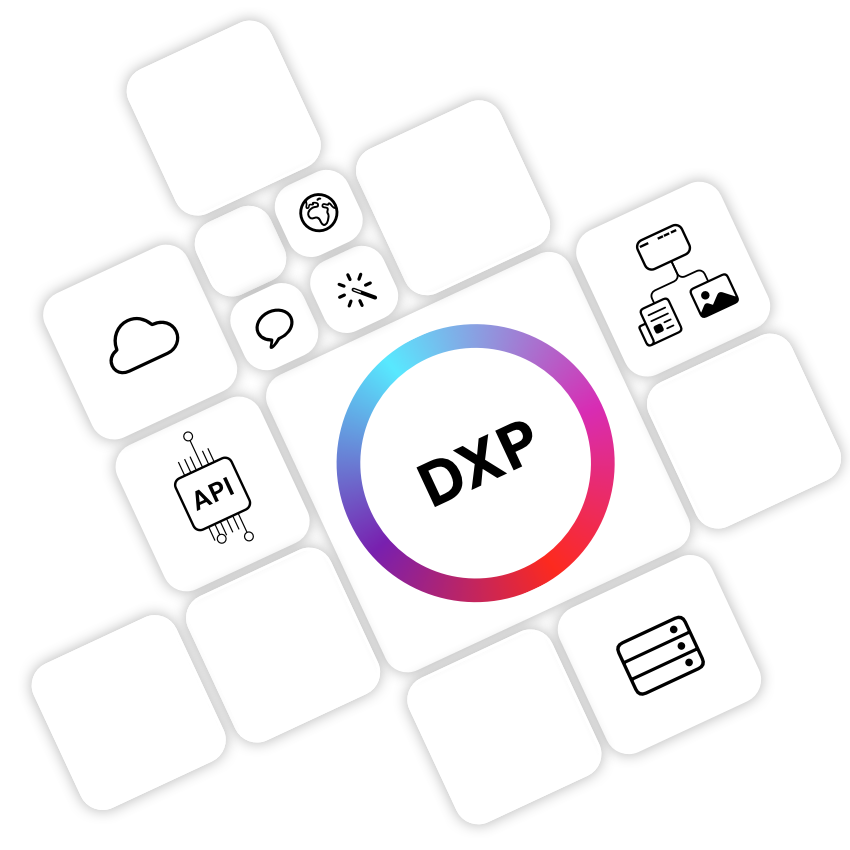
A Digital Experience Platform (DXP) enables enterprises to deliver consistent, high-impact digital experiences across channels by connecting content, data, and customer touchpoints through a unified architecture. Modern DXPs are increasingly composable, allowing organizations to build their own experience stack by selecting the vendors and tools that best fit their strategy — without being locked into a single platform.

The enterprise priority: Flexibility at scale

Enterprise technology landscapes are complex by design, shaped by existing investments in commerce, CRM, data, and marketing systems.

A composable DXP provides the flexibility to integrate, scale, and evolve over time. It enables enterprises to:

  • Choose best-of-breed tools and preferred vendors.
  • Orchestrate content management across regions and channels.
  • Enable personalization and experimentation at scale.
  • Support marketing automation and customer engagement.
  • Maintain governance, performance, and security globally.

CoreMedia delivers a composable digital experience platform built on a hybrid headless CMS architecture, designed to integrate seamlessly into enterprise ecosystems. By combining enterprise-grade content management with personalization, experimentation, marketing automation, and customer engagement capabilities, CoreMedia empowers large organizations to modernize their customer experience while retaining full control over their technology stack.

Screenshot of content marketing workflow dashboard in enterprise CMS
Composable DXP

Why your traditional CMS is holding back your revenue

The limits of a content-only approach:

Traditional content management systems (CMS) focus on creating and publishing content, but lack the capabilities to orchestrate end-to-end customer journeys across digital channels. This makes it difficult for digital marketers to consistently deliver content that adapts to context, intent, and real-time customer behavior.

When content and commerce operate separately, experiences become fragmented. Inspiration happens in one place (blog, lookbooks, and campaing content) and transactions in another (commerce platforms) — breaking momentum and limiting personalization, increasing drop-off at critical decision points.

As customer expectations rise, disconnected systems and siloed data make it difficult to deliver consistent, context-aware experiences across touchpoints.

The "headless-only" trap for marketers:

  • Headless architectures offer developer flexibility but often reduce marketing agility. Limited visual editing, preview capabilities, and increased IT dependency slow execution.

The result: operational complexity, fragmented customer experiences, and constrained personalization.

The core components of a modern, composable DXP

A modern DXP is not monolithic. It is a composable ecosystem of integrated tools designed to scale and evolve with enterprise needs — delivering flexibility without sacrificing governance.

The content foundation: A hybrid headless CMS

At the core sits a Hybrid Headless CMS — the system that manages brand and product content across digital channels, regions, and markets.

 Key capabilities:

  • Hybrid headless architecture: API-first flexibility for developers combined with intuitive visual editing (WYSIWYG) and preview tools for marketers.
  • AI-Powered content operations: An example is CoreMedia’s KIO, which automates content creation, tagging, and enrichment using AI, while supporting personalization and recommendations based on context and behavior.
  • Digital asset management: Ensuring consistency and brand compliance at scale, our DAM centralizes rich media assets with enterprise-grade governance, metadata management and reuse across channels.
  • Global scalability: Multi-brand, multi-region, and multilingual content management from a single platform.

CoreMedia's CMS delivers this hybrid headless foundation — powering scalable, AI powered, and conversion-optimized content operations at enterprise scale.

Omnichannel CMS Generic
Customer journey Illustration

The conversion engine: Bridging digital and human interaction

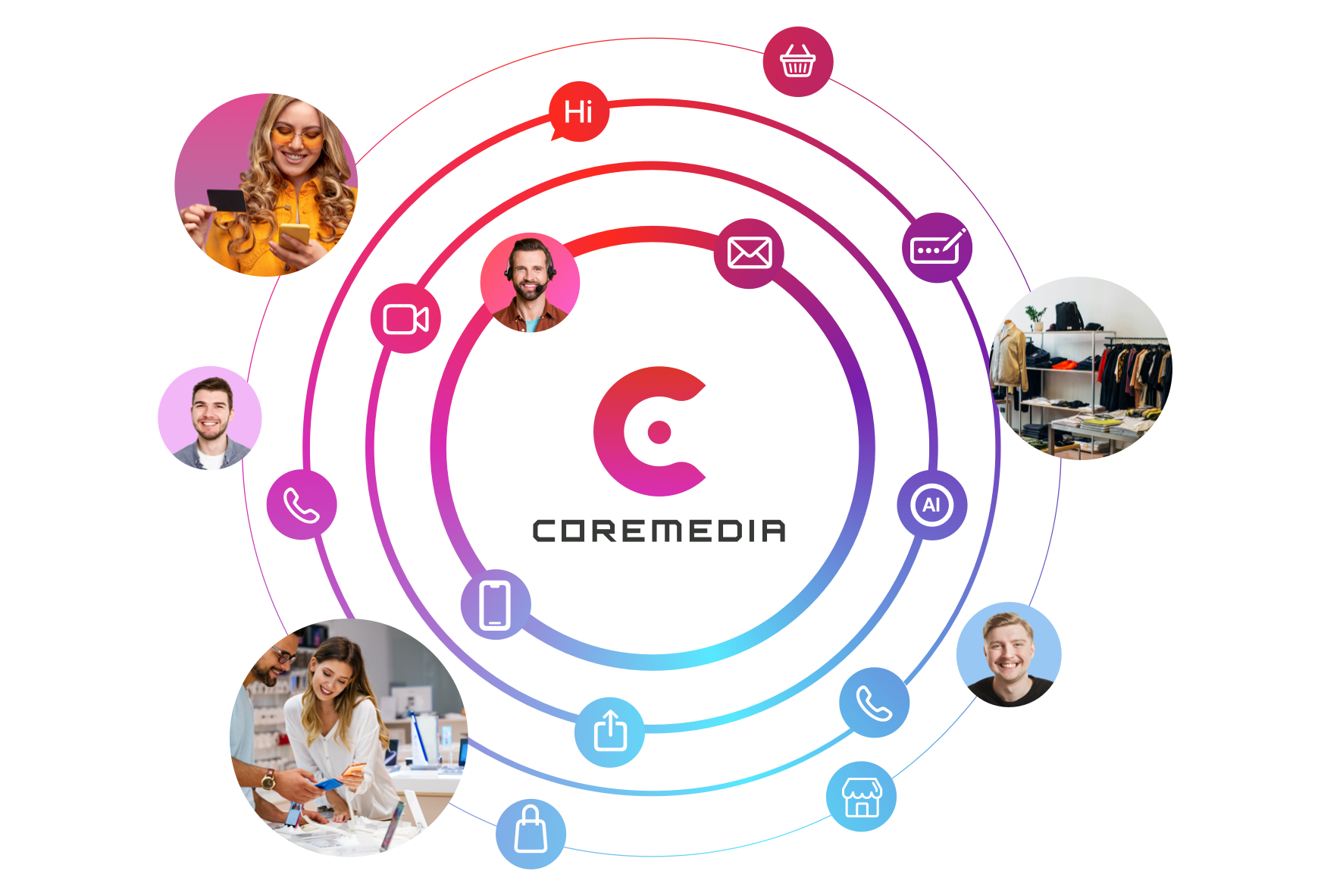
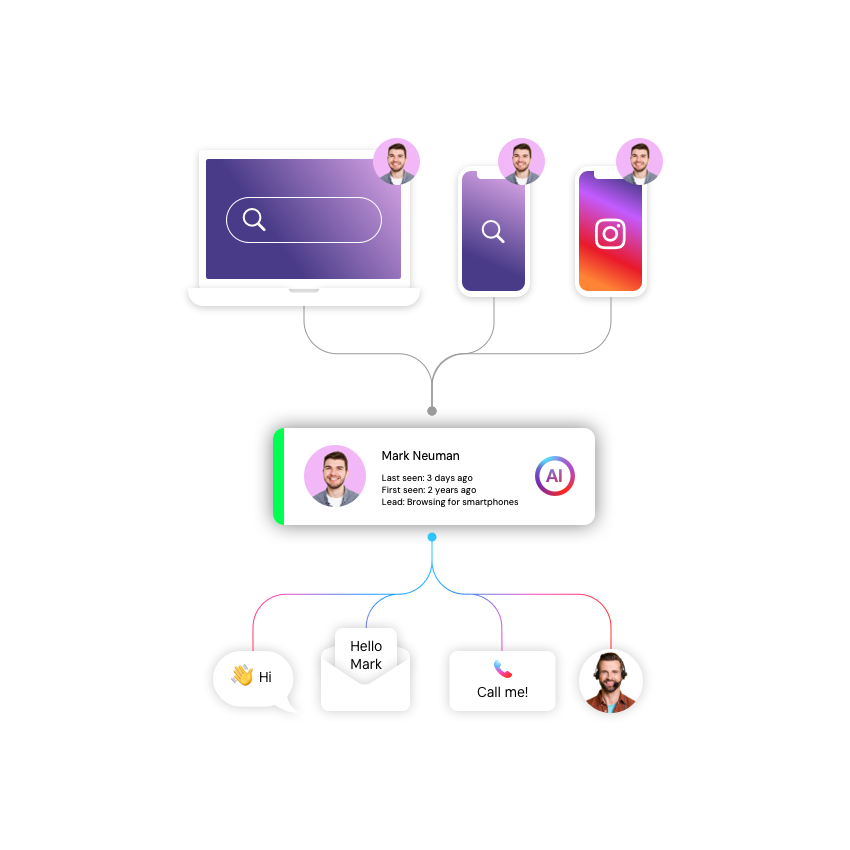
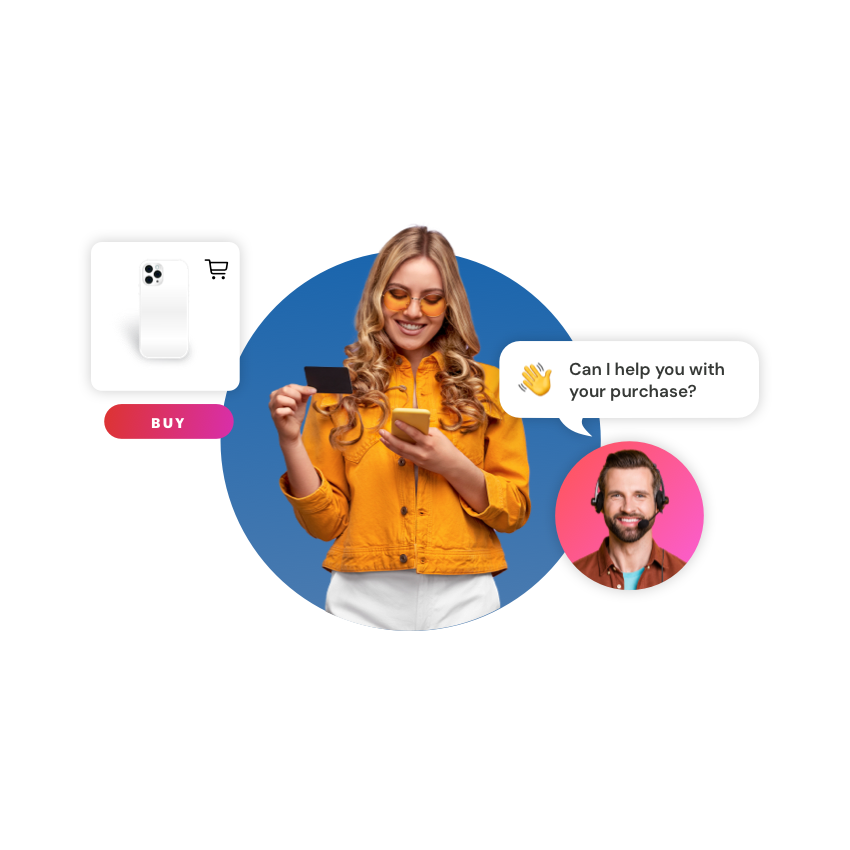
While digital experiences drive discovery, many high-value conversions still depend on human interaction. An enterprise DXP must connect anonymous digital journeys with sales and support teams at the right moment to move customers from intent to action.

Key capabilities:

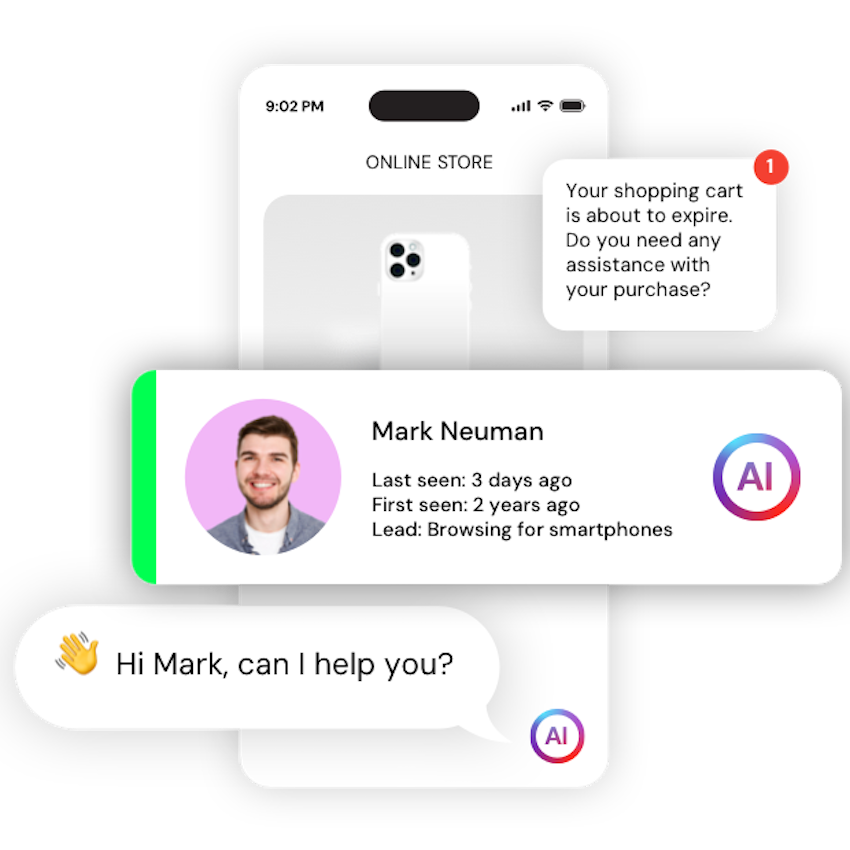
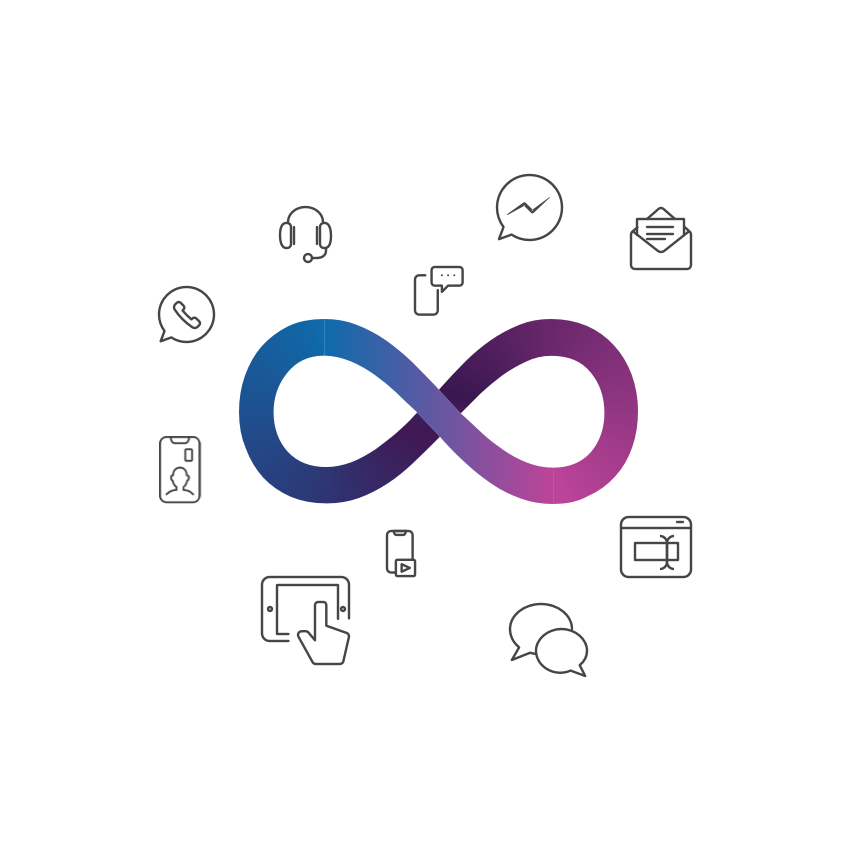
  • Omnichannel sales assistance integrates live chat, conversational bots, and video interactions seamlessly across web and mobile touchpoints — without disrupting the experience.
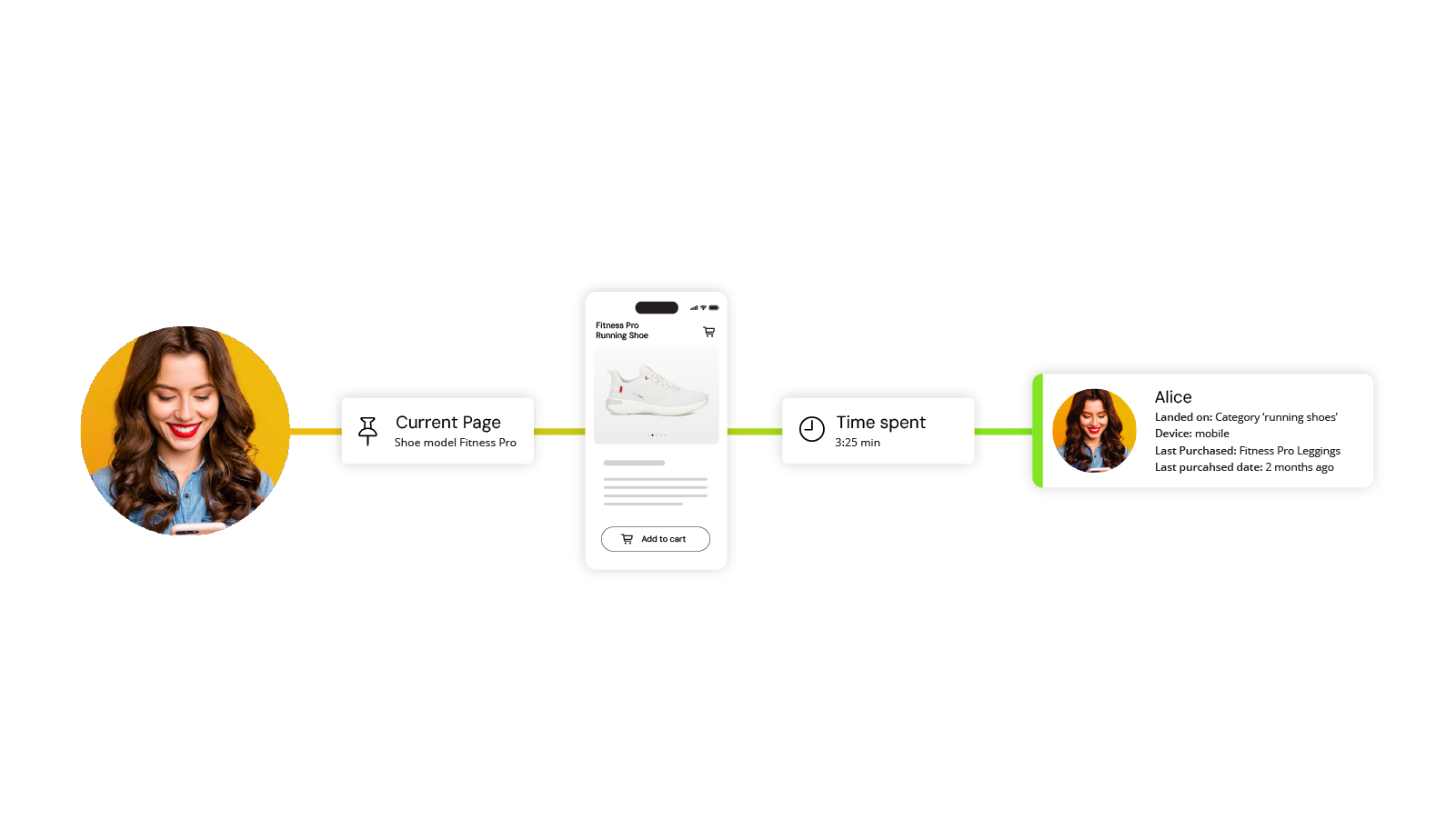
  • Through AI agent assist, agents gain real-time visibility into customer behavior, content engagement, and journey context, enabling more relevant and effective conversations.
  • With Data-Driven personalization, enterprises can prioritize high-value interactions, adapt experiences in real time, and consistently close more complex, high-consideration sales.

The CoreMedia Customer Engagement platform uniquely integrates a Cloud Contact Center, providing this connection by embedding human-assisted sales directly into the digital journey.

The integration layer: APIs and a composable architecture

A next generation experience platform requires an integration layer that acts as the connective tissue across the enterprise technology stack. This layer ensures content, commerce, customer data, and operational systems work together seamlessly—without creating new dependencies or bottlenecks.

 Key capabilities:

  • API-First design: Enables seamless integration with best-of-breed platforms such as Salesforce Commerce Cloud, SAP, between others and analytics solutions—allowing enterprises to compose their stack without compromise.
  • Packaged business capabilities (PBCs): Provides modular, reusable functions that can be added or replaced independently, enabling faster innovation without disruptive “rip-and-replace” projects.
  • Future-Proof architecture: Allows enterprises to evolve their digital ecosystem over time, adapt to new channels and technologies, and avoid lock-in to a single vendor or rigid platform model.
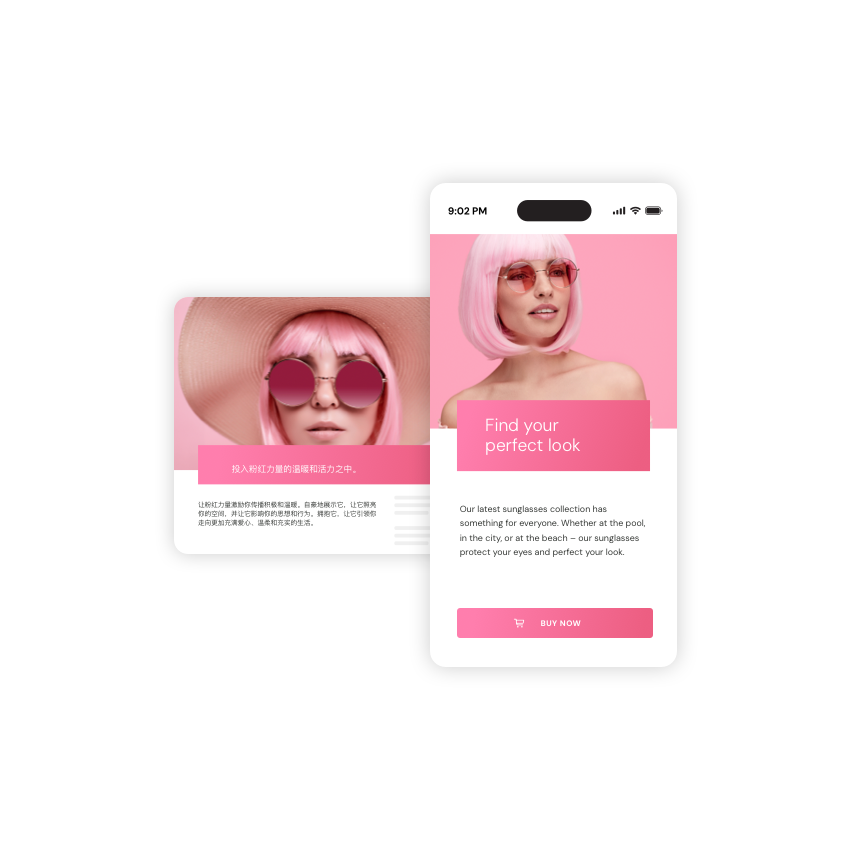
Omnichannel CMS Reducing friction
Benefits of CoreMedia's digital experience platform (DXP)

Turn content into a revenue driver by making articles, campaigns, and lookbooks instantly shoppable — connecting inspiration directly to action without breaking the customer journey.

Unify data across different channels such as commerce channels, mobile apps and customer portals to deliver seamless digital customer experiences and increase satisfaction.

Empower marketing teams with agile tools to reduce time-to-market and dependency on IT.

Ensure consistency across all regions, languages, and brands, while maintaining local flexibility through centralized governance.

Bridge the gap between digital browsing and human-assisted sales, eusuring high-intent customers receive the right support at the right moment, specially for complex, high-value purchases.

How to Choose the Right Digital Experience Platform for Your Enterprise

Is it composable?

Choose a composable DXP that can flex to your needs, with custom workflows, editorial interfaces, and pre-built integrations - with your favorite 3rd party tools, including commerce and CRM. Does it have the ability to support custom architectures and bespoke integrations should you need them?

Is it scalable?

Your digital experience platform should adapt to new channels, AI tools, and eCommerce providers as your enterprise grows. CoreMedia DXP ensures long-term adaptability. You need a platform that can accommodate new social media channels or point of sale tech, integrate with new AI tools or simply shift direction if you want to change your ecommerce provider for example.

Is it fast to deploy?

Avoid lengthy implementations. With CoreMedia, out-of-the-box features get marketers running fast, while developers customize in parallel. If it takes hundreds of days and an eye watering budget to get up and running, it’s not fit for purpose in todays fast moving environment. Combine this with configuration and customization capabilities that your developers can work on without disturbing your marketers or the front-end customer experience.

Step 4: Evaluate the Human Connection

Finally, assess whether the platform supports the full customer journey. A true enterprise DXP should extend beyond the website to connect digital experiences with sales and service teams—enabling human interaction where it drives the most value.

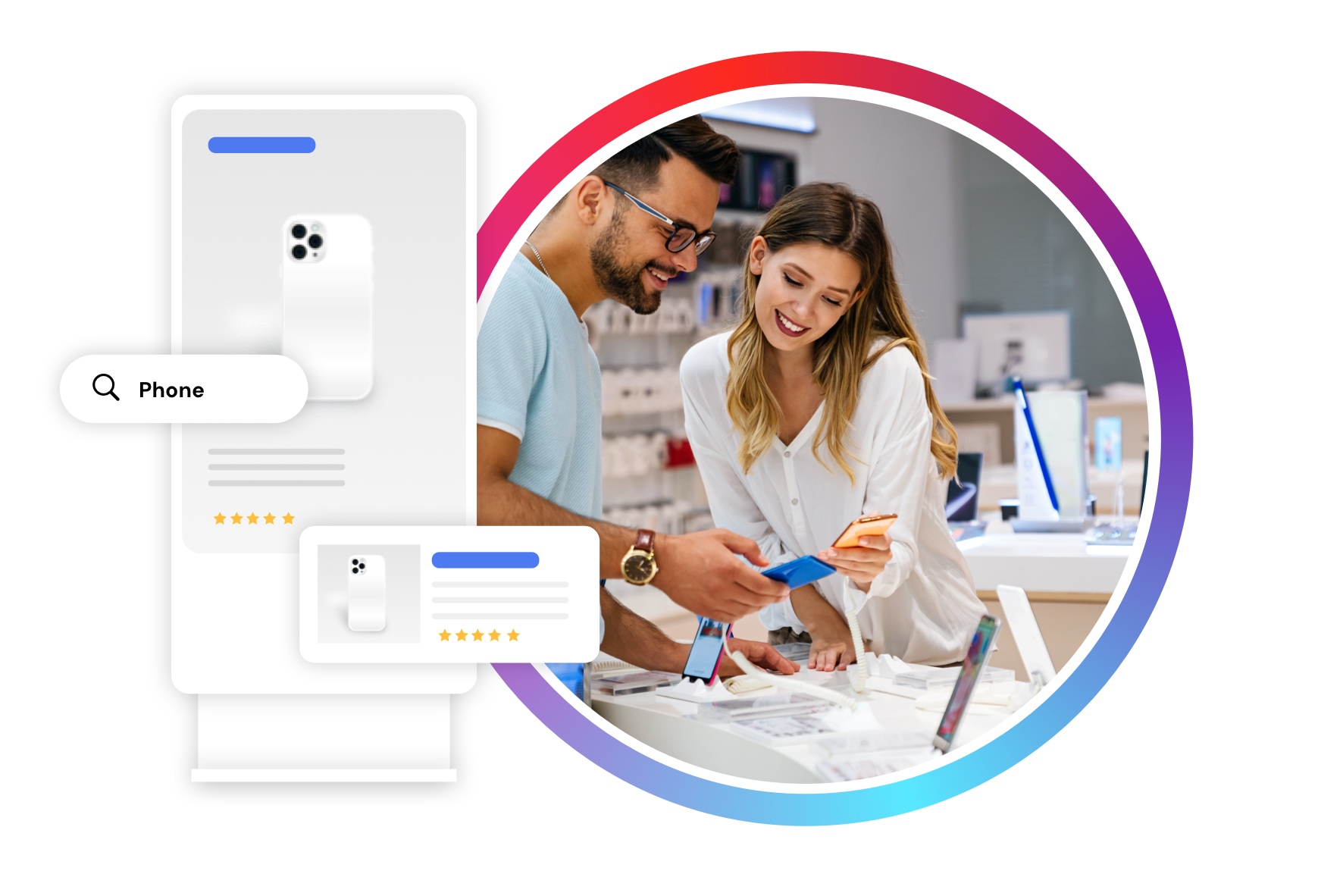
Digital Signage Omnichannel CMS Interaction (1)

CoreMedia: The composable DXP built for global leaders

Global enterprises operate across complex ecosystems of tools, teams, and digital channels. CoreMedia is built to handle that complexity.

As a composable Digital Experience Platform, CoreMedia enables organizations to combine enterprise-grade content management with personalization and experimentation, marketing automation, and customer engagement — while integrating seamlessly with existing vendors and customer data systems.

Leading global brands rely on CoreMedia to orchestrate consistent customer experiences at scale:

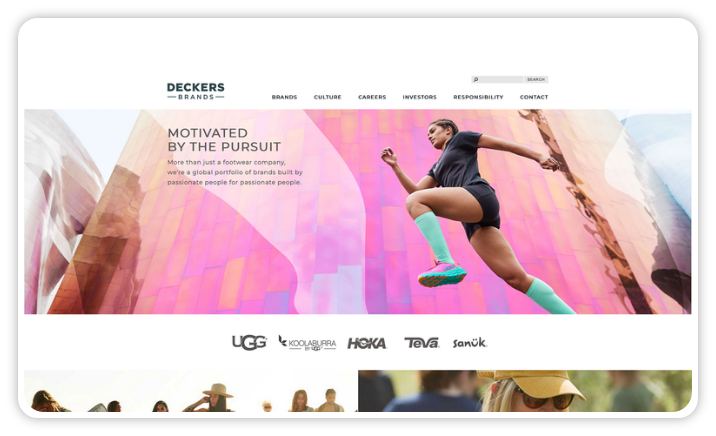
  • In Luxury Retail, companies such as Deckers Brands and Net-a-Porter connect inspirational content with commerce to deliver premium digital experiences across markets.
  • In B2B Manufacturing, organizations like Emerson support complex buying journeys that combine digital engagement with expert-led sales and service interactions.

With a flexible Hybrid Headless architecture, CoreMedia supports long-term digital transformation without forcing enterprises into a single stack.

Ready to turn your digital experiences into your biggest revenue driver?
Schedule a personalized demo of CoreMedia’s Digital Experience Platform.

Digital Experience Platform (FAQ's)

Learn everything you need to know.

What is a digital experience platform (DXP)?

A digital experience platform builds on the functionality of a content management system (CMS) by unifying marketing, commerce, data, and personalization in one place. CoreMedia’s composable DXP enables:

  • Unified content + data for end-to-end experience design.
  • Personalization powered by AI and real-time customer insights.
  • Seamless omnichannel publishing across websites, apps, retail, and social.
  • Open architecture for enterprise CMS integrations.

What is the difference between a DXP and a CMS?

A CMS primarily manages content for a single channel (the website). A DXP orchestrates personalized content and commerce experiences across all digital and human touchpoints by integrating with a wider tech stack.

What are the benefits of a DXP?

  • Personalized customer experiences: DXPs enable organizations to deliver relevant, personalized content based on customer data, behavior, and context, improving engagement and conversion across touchpoints.
  • Unified content and experience management: Centralizing content, data, and experience delivery, DXPs reduce fragmentation and ensure consistent experiences across websites, apps, commerce, and other digital channels.
  • Improved operational efficiency: DXPs streamline workflows for marketers, editors, and developers by reducing tool sprawl, minimizing manual handoffs, and enabling teams to work within shared, integrated environments.
  • Faster time to market: With reusable content, templates, and workflows, teams can launch, localize, and iterate experiences quickly, without starting from scratch for each channel or market.
  • Data-driven optimization and experimentation: DXPs support continuous improvement through built-in analytics, experimentation, and optimization, allowing teams to validate decisions and improve experiences while content is live.
  • Scalability and governance: Enterprise-grade DXPs provide the structure, permissions, and controls needed to manage content and experiences across regions, brands, and teams — without losing consistency or compliance.
  • Better collaboration across teams: By bringing content, marketing, and technology closer together, DXPs enable cross-functional teams to collaborate more effectively on delivering end-to-end digital experiences.

What’s the difference between a CMS and DXP?

While CMS platforms handle web content management, a DXP platform goes further by integrating:

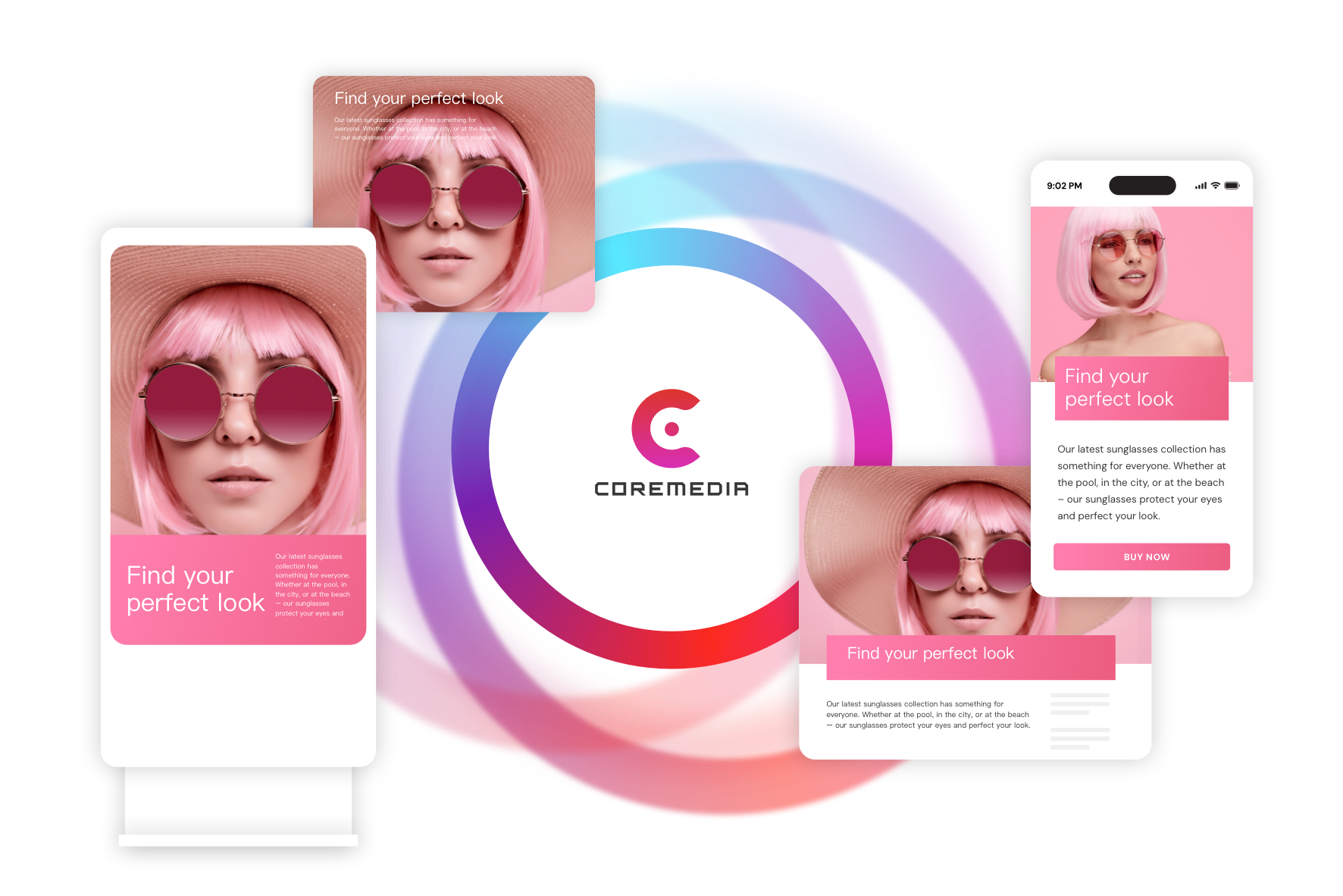
  • Omnichannel delivery: publish once across multiple customer touchpoints.
  • AI personalization and marketing automation: automate content journeys at scale.
  • Analytics, experimentation, and optimization: understand how experiences perform and continuously refine them, directly where content is created..
  • CRM and commerce integrations: unify data for hyper-personalized engagement.

In short: a CMS manages content. A DXP solution orchestrates the entire customer experience.

Which is the best DXP?

The best digital experience platform for enterprises is one that scales with global complexity, integrates with existing tools, and supports composable flexibility. CoreMedia partners with global brands in long-term relationships, evolving alongside their business and technology needs.

Who uses a DXP?

DXPs are used by enterprise marketing, e-commerce, and customer experience teams in large organizations that manage complex, multi-brand, and multi-region digital presence.

What are some examples of digital experience platforms?

Key players in the market include CoreMedia, Adobe Experience Manager, Optimizely, Sitecore, and Acquia. Each has different strengths, with CoreMedia specializing in composable architecture and bridging digital-to-human interactions.

Our team of experts are your team of experts

Get to know CoreMedia with a personal introduction from an expert.

What you’ll get

  • Explore key features relevant to you
  • See how businesses like yours have grown with CoreMedia
  • Guidance on changing platforms like a pro

white male glasses alexander cordesmeyer white female brown hair elena bertaiola

Explore and learn with our resources

Dynamic Content

Content Management

Create highly engaging content for all channels, regions and languages - turbocharged by AI.
  • Create, edit, and publish instantly to every channel, any time
  • Automate operational content tasks with CoreMedia KIO AI
  • Maintain quality and compliance with localization and governance tools.
Explore
Personalized Experiences

Personalization & Experimentation

Deliver personalized experiences that adapt to each user – powered by data, insights and ongoing optimization.
  • Combine content, data, and AI to tailor every interaction
  • Keep user profiles up to date with behavioral and transactional data
  • Test, learn, and optimize with A/B experiments to increase ROI.
Explore
Omnichannel content strategy for CoreMedia Touchpoints with AI personalization

Marketing Automation

Automate and orchestrate campaigns across every channel – turning data into timely, relevant messages.
  • Plan and launch omnichannel journeys powered by lead scoring
  • Automate outreach via email, SMS and digital ads integrations
  • Keep your marketing relevant from the first touch to conversion.
Explore
Guided Selling

Customer Engagement

Turn visitors into loyal customers with conversational, human-centered experiences.

  • Engage instantly via chatbots, live chat, click-to-call, video shopping and more
  • Blend digital and human interactions to reduce friction and build trust
  • Empower agents with AI-driven insights
Explore

Elevate your digital experiences.

Choosing a DXP is a big decision, and we’re here to help. Whether you're looking for a new CMS or want to enhance your website with engagement tools to boost conversions, we'll consult you to realize your digital ambitions.


CoreMedia Experience Platform

Book a demo with one of our system experts.

Page 1 2 of 2

G2 Winter Badges