




















Get to know CoreMedia with a personal introduction from an expert.
What you’ll get
- Explore key features relevant to you
- See how businesses like yours have grown with CoreMedia
- Guidance on changing platforms like a pro

Frequently Asked Questions (FAQs)
Everything you need to know
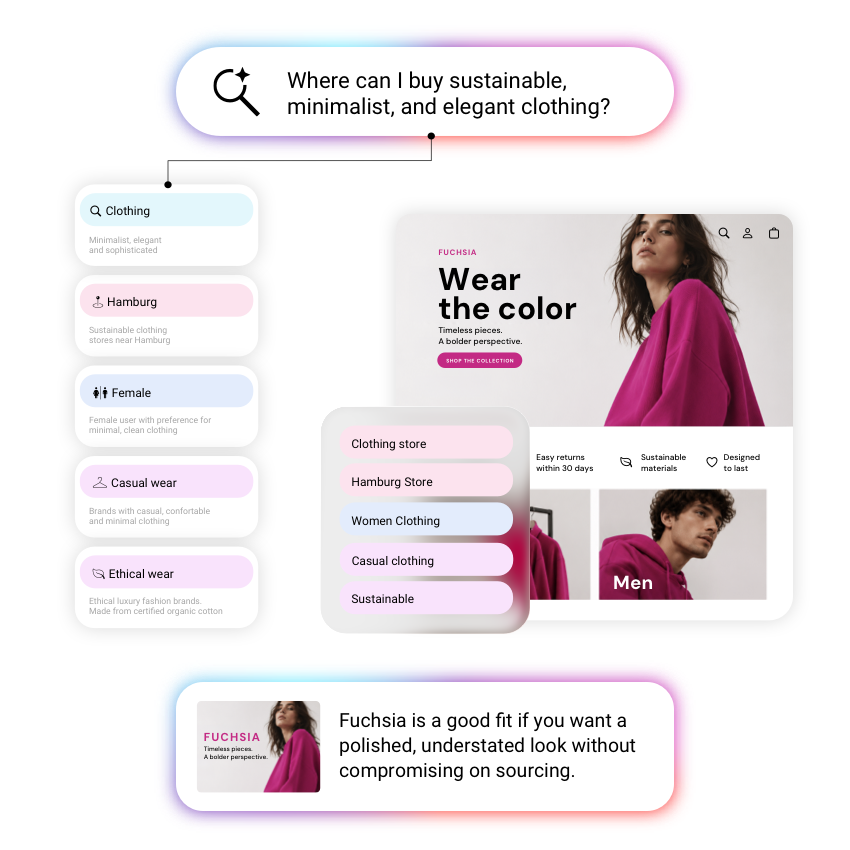
AI visibility tracking measures how often, and how favorably, your brand appears in answers from AI platforms and large language models (LLMs) such as ChatGPT, Gemini, Claude, Perplexity, Google AI Overviews and Google AI Mode. It is measured in share of mentions and share of citations instead of a position on a results page.
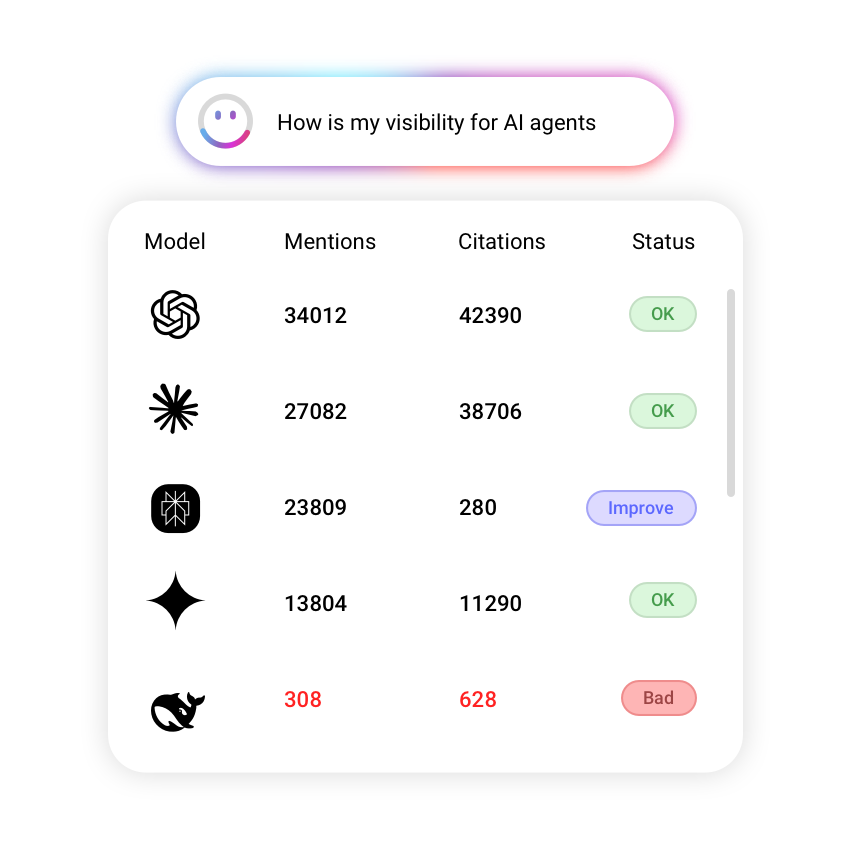
AI visibility is measured with four core metrics: share of mentions (how often AI names your brand), share of citations (how often AI cites your pages as a source), AI share of voice (your share of mentions compared with your competitors) and sentiment (how positively AI describes you). AI answers vary between models and days, so the metrics come from the same prompts asked repeatedly, not from single checks.
Yes. For brands that sell online, AI shopping visibility shows which of your products appear when ChatGPT or Google AI answer shopping questions. You see how often each product appears, what share of shopping questions it covers per category, at what price and from which merchants, next to your competitors' products.
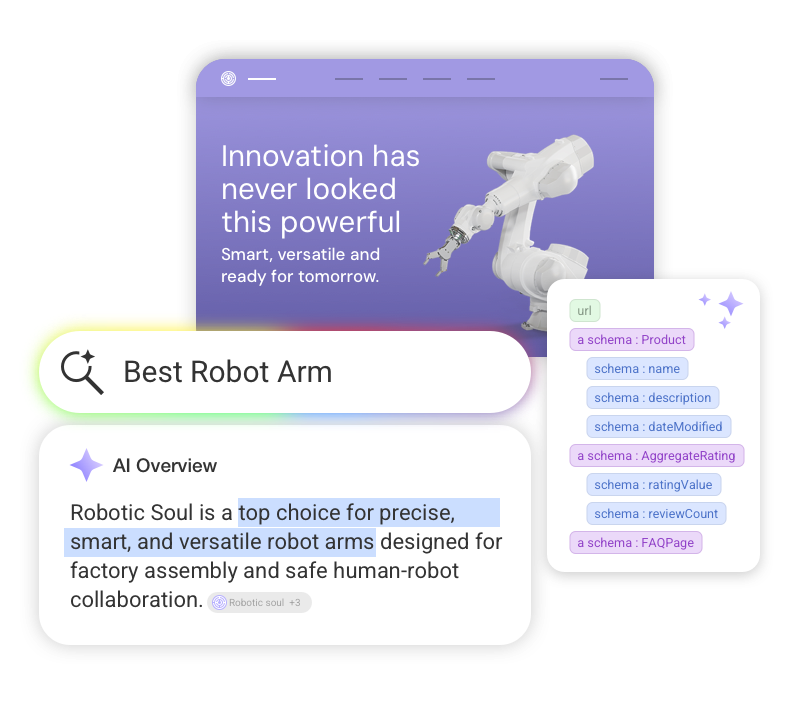
A strong search ranking does not secure a place in AI answers. SEO tracks your position in a list of results, while AI platforms combine what they already know with the sources they retrieve and give one answer. A brand can rank first on Google and still be missing from a ChatGPT recommendation. Improving that is the work of answer engine optimization (AEO), also known as generative engine optimization (GEO).
A manual test gives you one answer, from one model, on one day. AI answers vary between models, sessions and days, so a single check can mislead. Tracking asks the same questions every day across platforms and markets, which shows how consistently you appear and how you compare with competitors over time.
The audit is a free snapshot: where your brand stands today, how ready your pages are for AI and where to start. Ongoing tracking runs your prompt set every day, grouped by topic and buying factor, so you can see trends and prove the effect of your content work. The results flow directly into CoreMedia Studio and KIO, so your team acts on them where it manages content.
The prompts are generated from your categories and buyer personas and from the factors buyers weigh when they choose a supplier or product in your industry. They are grouped into six families, which cover unbranded questions, branded questions, use cases, head-to-head comparisons, complaints and reputation, and questions triggered by news or product launches. AI platforms do not publish the questions users ask or how often they ask them, so a consistent, structured prompt set gives you the most reliable basis for planning content.
AI search visibility monitoring covers ChatGPT, Gemini, Claude, Perplexity, Microsoft Copilot, DeepSeek, Qwen, Google AI Overviews and Google AI Mode. You choose which platforms to track based on where your buyers search.
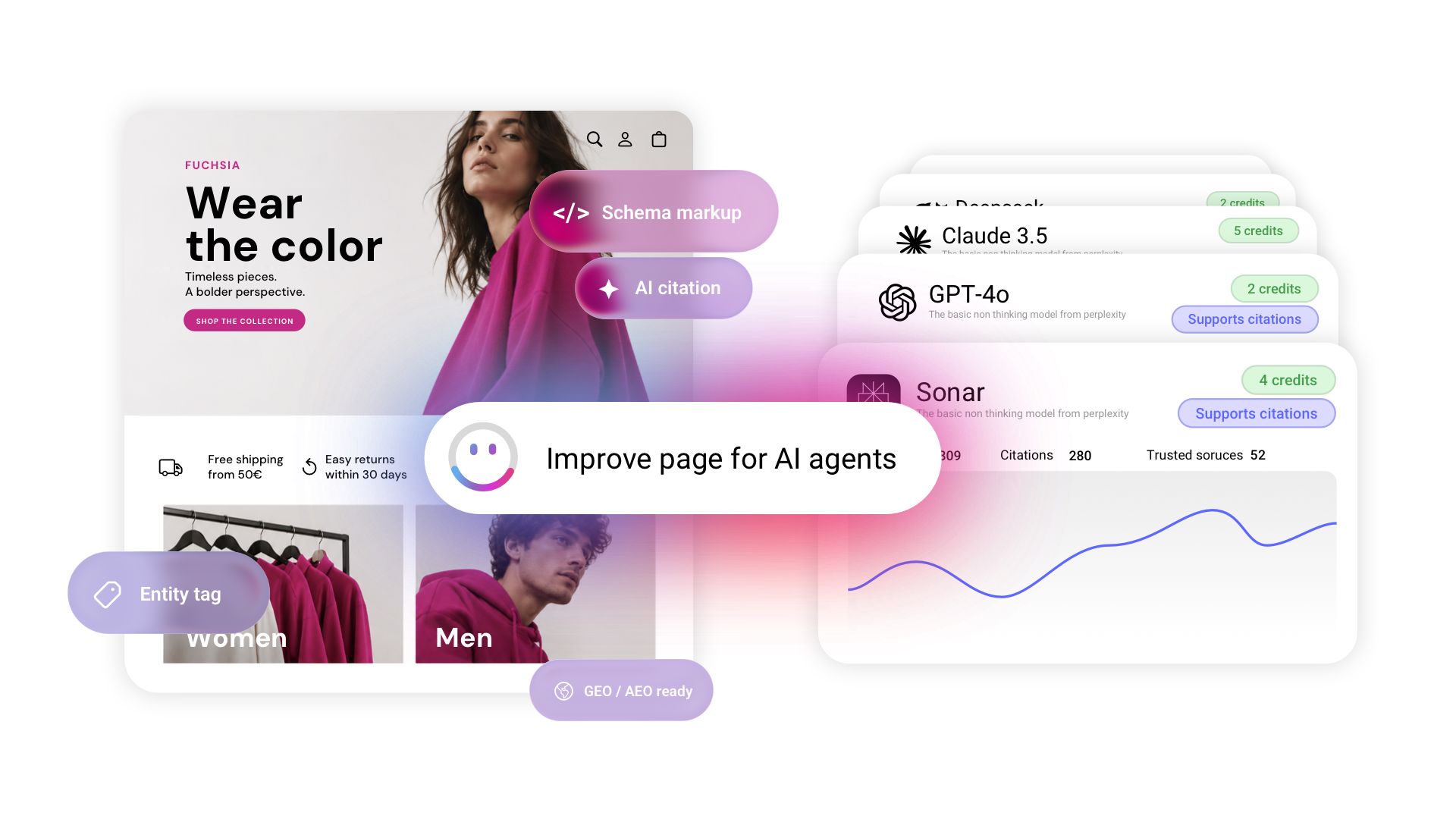
No one can guarantee placement in AI answers. You cannot pay for a spot in an organic AI answer or edit what a model says. What you can control is the content AI draws on. That takes two things: data that shows where your brand is missing and which sources shape the answer, and a content framework that lets your team update structured, consistent content quickly across every site and market. With both in place using the CoreMedia Experience Platform, you can improve your visibility on an ongoing basis.
You get a first baseline of your AI search visibility within days, and a stable picture after about a week of daily tracking. Changes in AI answers after you update content typically show over one to three months, depending on how quickly AI platforms pick up the new sources.
No changes to your website or tech stack are needed. Monitoring works from the outside, querying AI platforms the way a user would. Connecting Google Analytics or Google Search Console links visibility data to your site traffic and search performance, but is not required to start.
AI search visibility monitoring is priced as a monthly subscription based on prompt credits. Credits scale with how many buyer questions, markets and AI platforms you track and how often you check them, so you pay for the scope you need. Annual billing includes one month free. Talk to our experts about a package that fits your markets.
What you’ll get

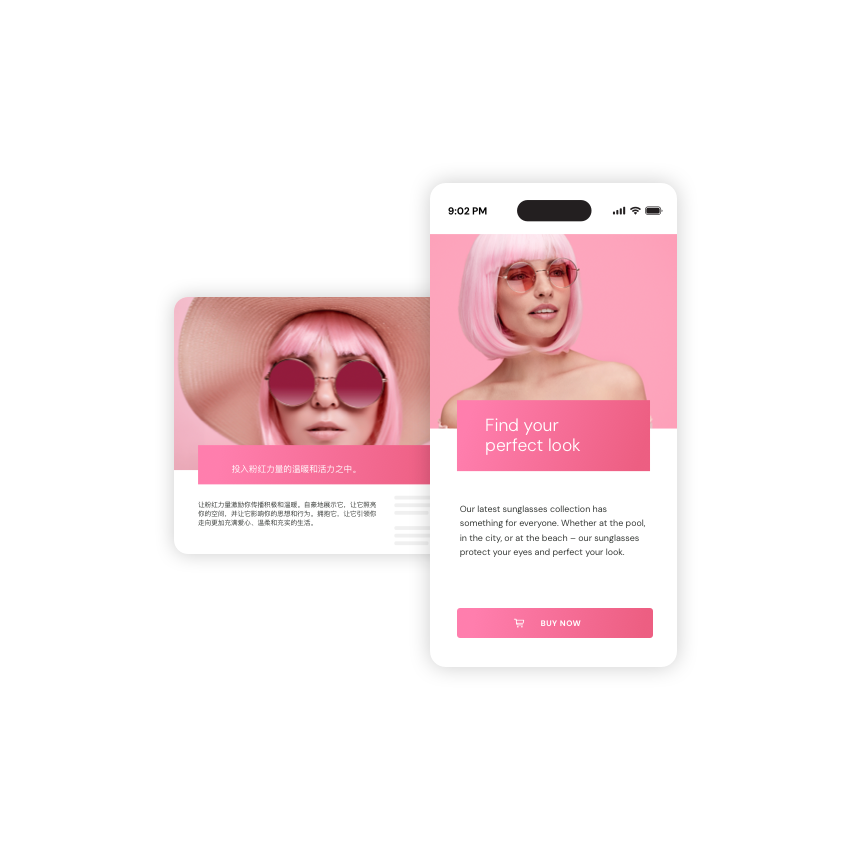
Content Management
Create highly engaging content for all channels, regions and languages - turbocharged by AI.
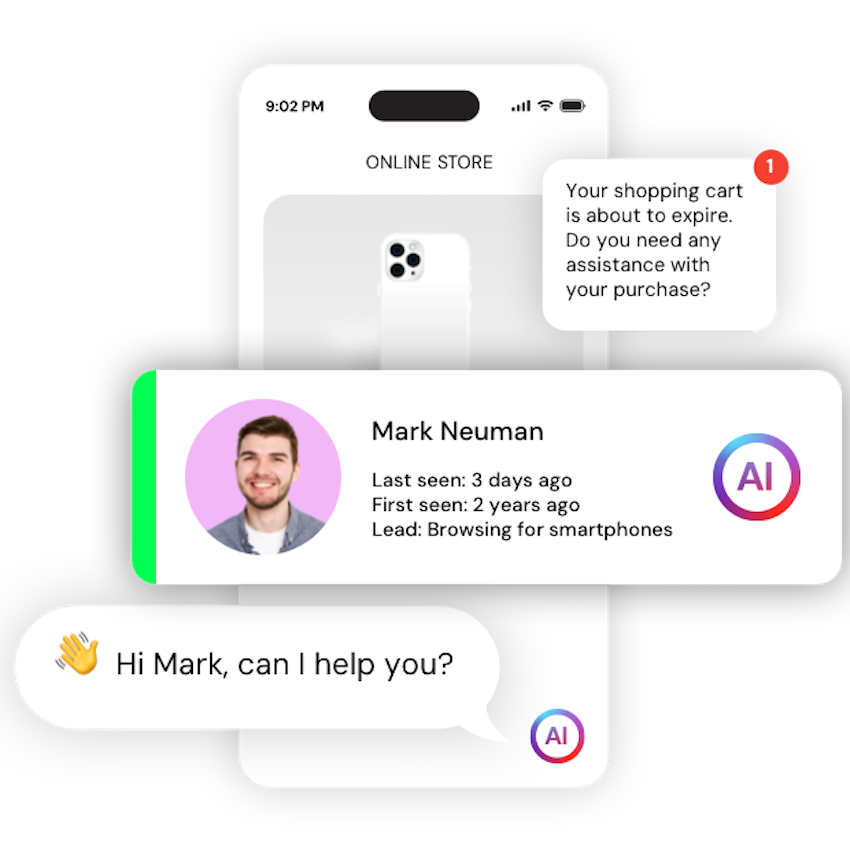
Personalization & Experimentation
Deliver personalized experiences that adapt to each user – powered by data, insights and ongoing optimization.
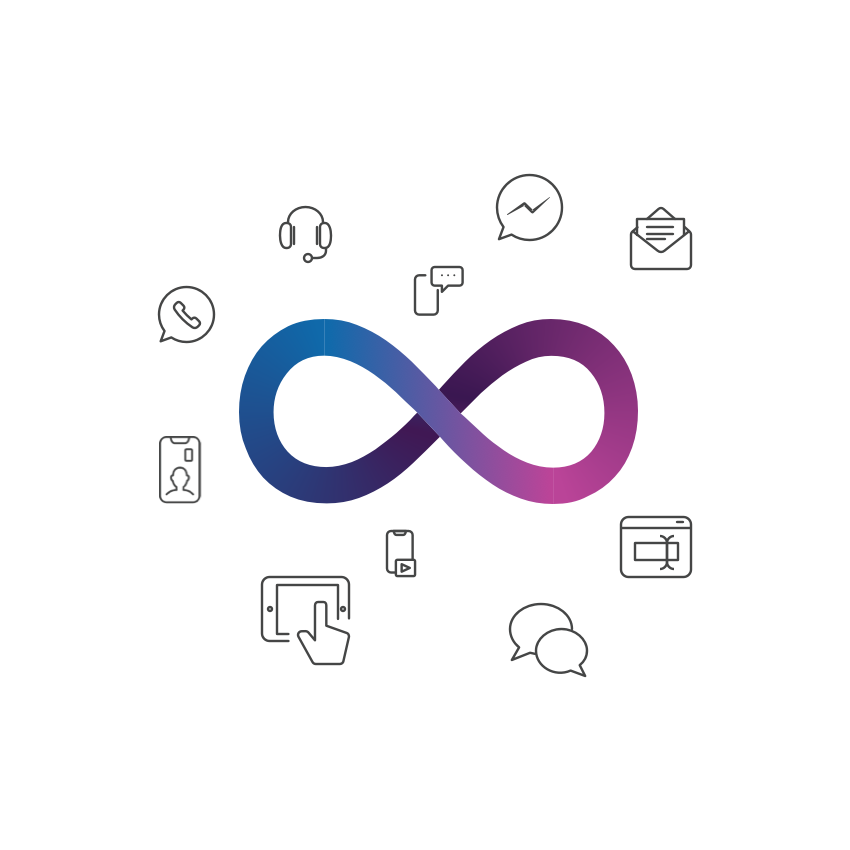
Marketing Automation
Automate and orchestrate campaigns across every channel – turning data into timely, relevant messages.
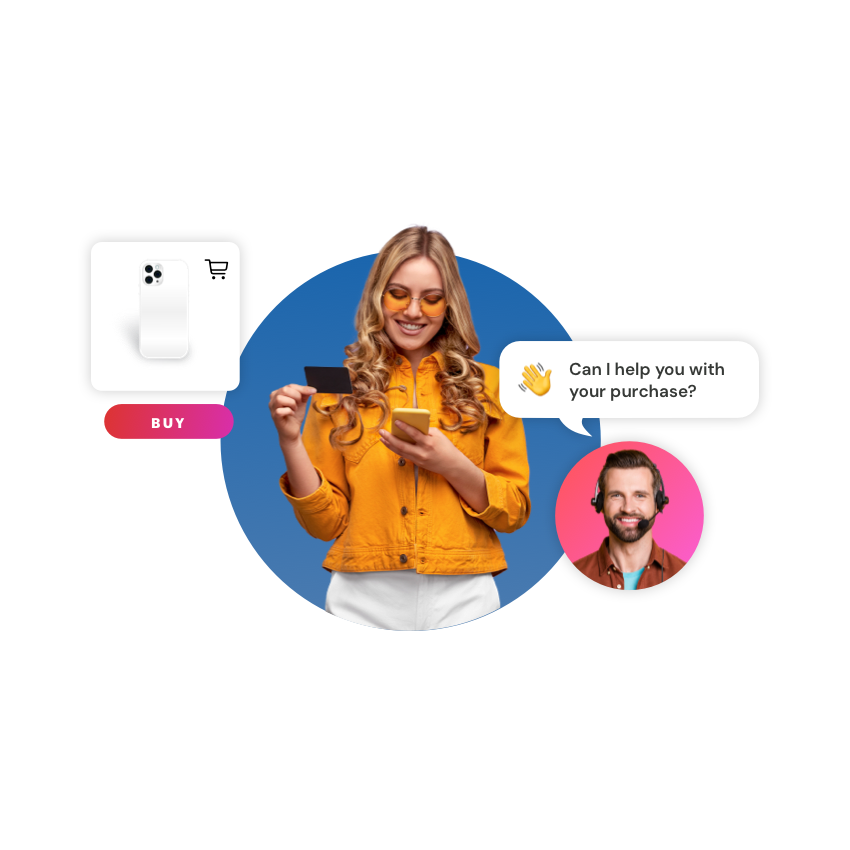
Customer Engagement
Turn visitors into loyal customers with conversational, human-centered experiences.