





















header-mobile-bg

Acquia alternative for enterprise: Why global brands choose CoreMedia’s DXP

When web-centric platforms no longer meet enterprise demands. 

Acquia and CoreMedia both operate within the enterprise Digital Experience Platform (DXP) landscape, but from different foundations. Acquia is built around the Drupal open-source ecosystem, optimized for web-centric digital experiences and hosted exclusively on AWS. CoreMedia is a composable enterprise DXP built around hybrid headless content management, enabling organizations to orchestrate large-scale, omnichannel experiences across brands, regions, and touchpoints with full deployment flexibility. 

For enterprises evaluating an Acquia alternative or planning a migration away from Drupal-based platforms, CoreMedia offers greater flexibility, reduced complexity, and a more scalable approach to orchestrating digital experiences across channels. 

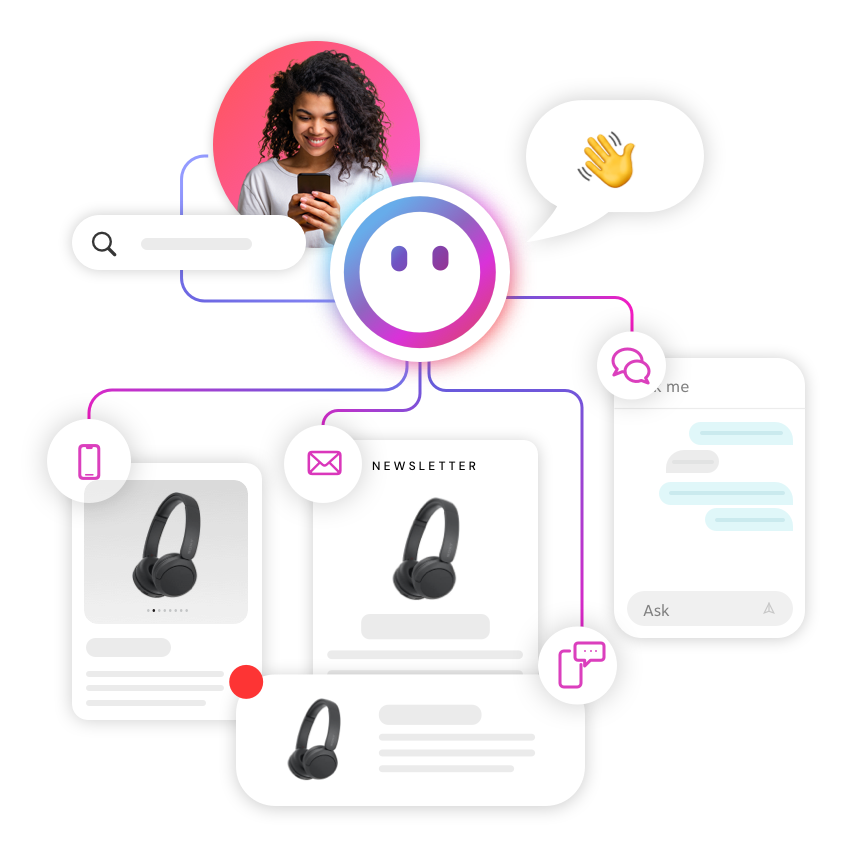
  • Unified experience orchestration beyond web-centric delivery - Manage and deliver digital experiences across websites, mobile apps, commerce platforms, and emerging touchpoints from a centralized platform. 

  • Deployment freedom without infrastructure lock-in - CoreMedia supports cloud, private cloud and on-premises deployment, giving enterprises full control over where their platform runs. 

  • Composable flexibility without ecosystem constraints - Integrate with existing enterprise systems and adopt best-of-breed solutions without being tied to a specific CMS framework or development ecosystem. 

  • Lower operational complexity and more predictable costs - A unified platform for content, workflows, and orchestration reduces custom integrations, ongoing maintenance and total cost of ownership. 

AI Discovery and Orchestration

Why enterprises choose CoreMedia over Acquia

Editorial governance for enterprise organizations

Manage content with structured workflows, role-based permissions, and approval processes designed for large, distributed teams operating across regions and brands.

Native personalization without third-party dependency

Enable teams to tailor experiences based on audience segments, behavior and context without relying on external tools.

Multi-brand and multi-region experience management

Coordinate content across brands, markets, and channels from a single system - supporting reuse, localization, and consistent publishing at global scale.

Flexible foundation for evolving digital ecosystems

Combine API-first delivery with visual content management in a hybrid headless approach - supporting both developer flexibility and business user control as your digital ecosystem evolves.

Digital experiences connected to human engagement

Go beyond web and marketing interactions by connecting digital journeys with human-assisted touchpoints such as chat, video, and service interactions - supporting more complex, high-value customer journeys.

Deploy on your terms – cloud, private cloud or on-premises

A unified platform reduces reliance on multiple tools and custom integrations. No AWS lock-in means organizations retain control over hosting, data residency and compliance requirements.

AI-powered content and workflow automation

To help teams scale output while maintaining quality and brand consistency, CoreMedia KIO supports content generation, SEO optimization, and workflow automation. 

Scalable foundation for mission-critical platforms

Support high-traffic environments, large volumes of structured content, and evolving digital demands with an architecture designed for enterprise performance and reliability.

Content and commerce working together

Connect editorial content with transactional experiences, enabling teams to turn storytelling into conversion-driven journeys without requiring complex integrations or platform changes.

Benefits of switching from Acquia to CoreMedia

While both platforms support omnichannel digital experiences, their architectural philosophies and approaches to driving customer engagement and conversion differ significantly. Enterprise environments built on Drupal-based platforms often evolve into complex setups with multiple modules, integrations, and dependencies. Over time, this can increase maintenance effort and slow down execution.

CoreMedia reduces this complexity by providing a unified platform for content management, workflows, and experience orchestration. Organizations can streamline operations, reduce integration overhead, and improve overall efficiency across their digital ecosystem.

Acquia's transition away from its native personalization product means enterprises now need to manage an additional tool — Acquia Convert, powered by third-party provider VWO — to deliver personalized experiences. This adds integration complexity, contract overhead, and dependency on a vendor relationship outside Acquia's core platform. 

CoreMedia provides native, out-of-the-box personalization capabilities embedded directly in the platform — allowing teams to manage audiences, segments, and tailored experiences from a single environment without additional tooling. 

One of the clearest structural differences between Acquia and CoreMedia is infrastructure flexibility. Acquia's platform is primarily hosted on AWS — there is no on-premises option and no choice of cloud provider. For regulated industries, organizations with data sovereignty requirements, or enterprises that operate across regions with specific compliance needs, this represents a real constraint. 

CoreMedia supports cloud, private cloud, and on-premises deployment — giving organizations the freedom to choose the infrastructure model that best fits their security, compliance, and operational requirements. This is a frequently cited factor in Acquia-to-CoreMedia migrations. 

While Acquia offers a comprehensive DXP suite, enterprise implementations can involve additional costs for development, integrations, and ongoing maintenance, especially as complexity increases across systems and teams. Common examples include custom commerce integrations, regional multisite buildouts, Drupal module upgrades, and the ongoing developer effort required to maintain and extend the platform as digital requirements evolve. 
 
CoreMedia helps organizations better control total cost of ownership, providing a more predictable and efficient operating model, by reducing reliance on custom development and fragmented tooling. This is further supported by CoreMedia’s concurrent user model, which allows organizations to scale usage across large teams without increasing costs per individual user, helping reduce total cost of ownership over time.

Acquia is closely tied to the Drupal ecosystem, which can shape how organizations build and extend their digital experience platforms. While this provides consistency, it may limit flexibility when adopting new technologies. 

CoreMedia allows organizations to adopt new tools and technologies as needed - supporting continuous evolution of the digital ecosystem without requiring major replatforming or architectural constraints. This also allows organizations to connect content and commerce more seamlessly, without being limited to predefined ecosystem dependencies.

As organizations expand across channels, regions, and customer touchpoints, their platforms must support continuous growth and change. 
Acquia environments often require ongoing configuration, module management, and coordination across systems as complexity increases. 

CoreMedia provides a scalable, future-ready foundation that enables enterprises to evolve their digital experience strategy, integrate new services, and support increasing content and traffic demands without disruption.

A fast, low risk CMS migration to CoreMedia – under 90 days

Migrating from an existing CMS should not disrupt business operations or slow down ongoing digital initiatives. For enterprises moving away from Acquia or Drupal-based environments, the priority is ensuring continuity while transitioning to a more scalable and manageable digital experience platform. 

CoreMedia follows a structured migration approach designed to minimize risk and maintain momentum. Rather than requiring a full rebuild, organizations can transition incrementally — moving critical content, workflows, and integrations in phases while keeping existing systems running where needed. 

This makes migration from Acquia a controlled process rather than a disruptive event. Teams can continue managing day-to-day operations while gradually shifting away from complex, module-driven architectures toward a more unified and structured content foundation—without interrupting existing digital experiences. 

By approaching migration with clear governance and phased execution, organizations avoid unnecessary duplication and reduce the risk of delays. Instead of recreating content from scratch, they can restructure and optimize what already exists as part of the transition. 

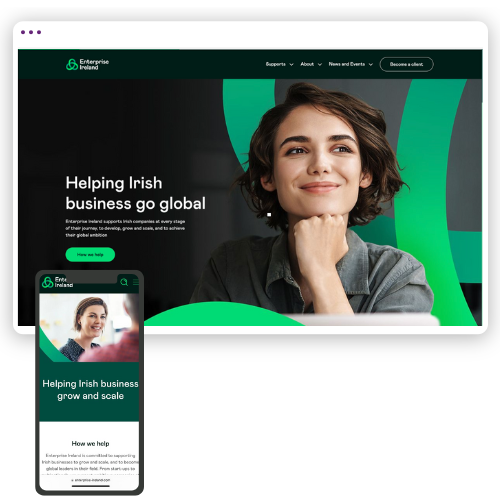
With the right planning, enterprises can move quickly without compromising stability. Organizations such as Enterprise Ireland have completed their transition in as little as 90 days - demonstrating that large-scale CMS migration can deliver rapid value when approached strategically.
Learn more
Enterprise Ireland website

What our clients say about CoreMedia

“We were on five different platforms before we moved to CoreMedia and had hundreds of content authors and all of their instances on different applications.” “With that centralized, they are now only about 50 authors working on the system on a day-to-day basis to create, manage and translate content. That’s a huge win for us.”

Allison Freeman, VP Information Technology, Emerson 

“We picked CoreMedia after researching multiple content management systems for a couple of years. The learning curve for the non-technical user was really easy.”

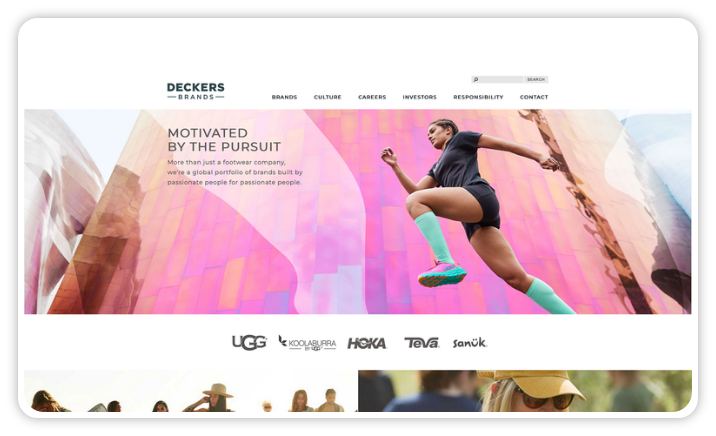
Nick Smotek, Global Director Digital Technology and UX, Deckers Brand 

"With CoreMedia, the technical setup is no longer a limiting factor for launching a new website. On the contrary, CoreMedia's latest technology standards enable us to launch websites faster than ever before and prepare us for the future."

Martin Schönfeld, Head of Digital Platform and Technology Management at Henkel

FAQ’s - everything you need to know

What is the main difference between Acquia and CoreMedia?

Acquia is built around the Drupal ecosystem and is often used for web-centric digital experiences and multisite management. CoreMedia, by contrast, is a composable enterprise DXP built on a hybrid headless architecture, designed to orchestrate content, workflows, and digital experiences across channels from a centralized platform.

Why do enterprises move beyond Acquia and Drupal-based platforms?

Organizations typically consider an Acquia-to-CoreMedia migration when their digital landscape grows more complex — across brands, regions, and channels — and requires stronger content governance, native personalization, infrastructure flexibility, and more integrated experience management. Common triggers include growing dependency on Drupal modules, rising costs from customization and ongoing maintenance, AWS-only hosting constraints, the discontinuation of Acquia's native personalization product, and the need to connect content and commerce more seamlessly. CoreMedia addresses these challenges through a unified platform, flexible deployment, and a more predictable long-term cost model.

Which platform is better for global, multi-brand digital experience management?

CoreMedia is designed for large enterprises managing multiple brands, regions, and languages. It supports centralized governance, content reuse, and coordinated publishing across global teams.  
Acquia supports multisite and multilingual setups, but enterprise-scale coordination often requires additional configuration and management.

How does CoreMedia support omnichannel experiences compared to Acquia?

Both platforms support digital content delivery across channels. CoreMedia, however, is built to orchestrate experiences across web, mobile, commerce, and service touchpoints from a single platform - helping organizations deliver more consistent and connected customer journeys.

Does CoreMedia offer native personalization out of the box?

Yes. CoreMedia delivers personalization natively within the platform, enabling teams to define audience segments, tailor content based on behavior and context, and run A/B experiments — all from a single environment, without requiring additional tools or vendor relationships.

Can CoreMedia be deployed on-premises?

Yes. CoreMedia supports deployment across cloud, private cloud, and on-premises environments, giving enterprises full control over where and how their platform runs. This is a meaningful distinction from Acquia, whose platform is exclusively hosted on AWS with no on-premises option available. For organizations in regulated industries or with specific data residency and compliance requirements, this flexibility is often a decisive factor in choosing CoreMedia as an Acquia alternative.

What drives up the total cost of ownership on Acquia?

Enterprise implementations on Acquia can involve several layers of additional cost beyond the base subscription. Common drivers include custom Drupal module development and maintenance, commerce and third-party integrations, the ongoing need for experienced Drupal developers for configuration and upgrades, and — following the discontinuation of Acquia Personalization — the added cost of adopting Acquia Convert. As digital requirements grow across regions, brands, and channels, these costs tend to compound. CoreMedia's unified platform and concurrent user pricing model are designed to provide a more predictable and efficient alternative.

How long does it take to migrate from Acquia to CoreMedia?

With the right planning and a phased approach, enterprises can complete a migration from Acquia to CoreMedia in as little as 90 days. CoreMedia follows a structured migration methodology designed to minimize risk and maintain business continuity — transitioning content, workflows, and integrations incrementally rather than requiring a full rebuild. Enterprise Ireland is one example of an organization that completed its transition within that timeframe.

When should companies choose CoreMedia vs. Acquia?

Organizations may choose Acquia if their business is deeply rooted in the Drupal ecosystem, supported by a large internal development team, and their requirements are primarily focused on web content management and multisite governance on AWS infrastructure. CoreMedia is better suited for global enterprises — such as those in luxury, retail, B2B, financial services, and telecommunications — that need a composable DXP to connect content, commerce, and customer engagement across channels, require deployment flexibility, and want native personalization capabilities without third-party tool dependency.